What is cyber security risk management for enterprises?
Cyber security risk management helps enterprises identify, assess, and reduce cyber threats across cloud, endpoint, and hybrid environments. A strong enterprise cybersecurity strategy includes risk analysis, vulnerability management, cybersecurity awareness, continuous monitoring, incident response, and advanced cybersecurity solutions that improve resilience and reduce operational disruption.
Introduction
Cybersecurity risk management is not just a matter of IT. Today it has become a fundamental part of business operations critical to enterprise resilience, growth, reputation and long term stability. With digital ecosystems changing, and threats becoming increasingly sophisticated, organizations are on a path to go beyond compliance checklists and embrace adaptive, intelligence-based enterprise cybersecurity approaches. This guide includes recent best practices along with the adoption of the NIST Cybersecurity Framework (Version 2.0) and methodologies that have been proven to create better cybersecurity risk management programs in enterprises.
How to Build a Cybersecurity Risk Management Framework
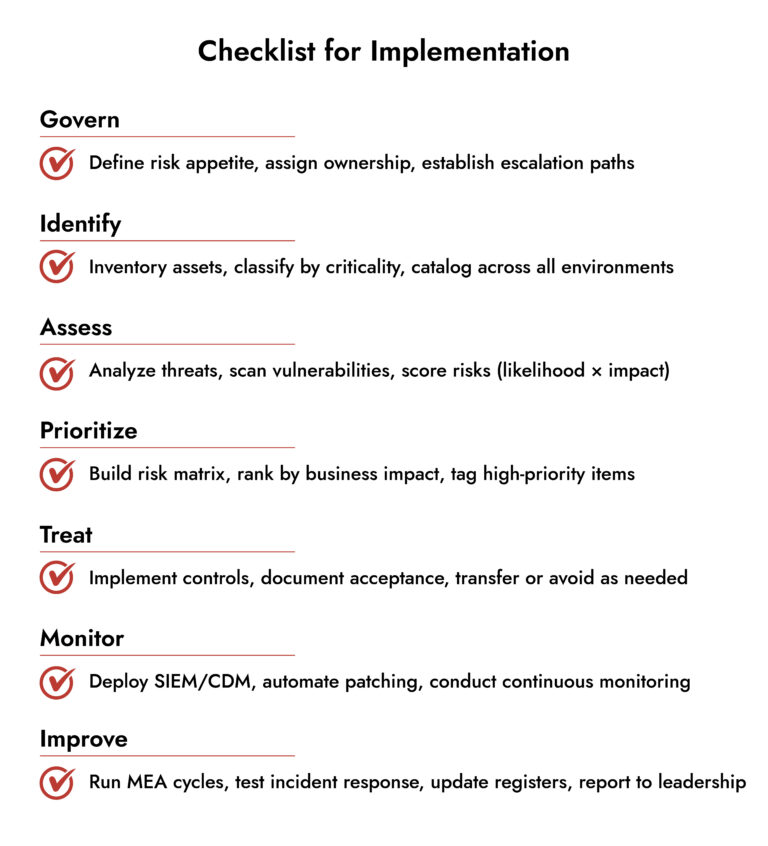
Robust cybersecurity risk management starts with leadership. Organizations need to establish enterprise priorities, define acceptable levels of cyber risk, and align cybersecurity goals with broader business objectives. This includes creating risk appetite statements and risk tolerance statements that define acceptable exposure levels and security boundaries.
The main governance activities include:
- Managing risk with clear accountability and ownership
- Defining escalation criteria for security related decisions
- Integrating cybersecurity into enterprise risk management cybersecurity frameworks alongside financial, operational, and legal risk
The NIST CSF 2.0 emphasizes that enterprise cybersecurity outcomes and goals should be reviewed regularly to ensure that risk management practices continue supporting business priorities instead of slowing them down.
How to Identify and Classify Critical Business Assets
Organizations cannot protect assets they cannot identify. A detailed inventory of systems, applications, cloud services, data repositories, infrastructure, and hybrid environments forms the foundation of modern enterprise cybersecurity solutions.
Best practices for asset management include:
- Classifying assets based on sensitivity and business criticality
- Assigning ownership to each asset for accountability
- Mapping assets across on premises, cloud, and hybrid environments
Assets associated with compliance requirements, customer operations, or revenue generation should receive the highest security priority during risk analysis.
How to Conduct a Cybersecurity Risk Assessment
Once assets are identified, enterprises need to evaluate the threats and vulnerabilities that could affect them.
Threat identification includes:
- Reviewing internal and external threats
- Analyzing historical incidents
- Using threat intelligence feeds
- Evaluating insider risks and excessive access permissions
- Identifying malware and attacker activity
Vulnerability assessments should include:
- Automated vulnerability scans
- Manual penetration testing
- Cloud security reviews
- Configuration analysis
- Patch management assessments
Continuous scanning helps organizations maintain visibility into changing threats and evolving attack surfaces. These practices are becoming increasingly important as enterprises adopt cloud infrastructure and advanced cybersecurity solutions.
How to Measure and Score Cybersecurity Risks
Risk analysis & cybersecurity risk management helps organizations translate technical security findings into business decisions.
Most enterprise cybersecurity programs evaluate risk using three major scoring factors:
Likelihood – The probability that a threat could exploit a vulnerability within a specific timeframe.
Impact – The operational, financial, reputational, and regulatory consequences of a successful attack across confidentiality, integrity, and availability.
Strength of Controls – The effectiveness of current cybersecurity software, preventive controls, and detection capabilities.
Organizations should calculate both inherent risk and residual risk to understand where additional investments or security improvements are required. Risk matrices are often used to visualize and prioritize exposure based on combined likelihood and impact scores.
How to Prioritize and Mitigate Cybersecurity Risks
Not all risks require the same level of response. Prioritization helps enterprises focus security resources where they create the greatest reduction in business risk.
Risk treatment options include:
Mitigate – Reduce exposure using cybersecurity tools, encryption, firewalls, access controls, audits, and employee training.
Transfer – Use cyber insurance or outsourcing to shift financial risk.
Accept – Document approved risks that fall within tolerance levels.
Avoid – Discontinue activities or systems that create unacceptable security exposure.
High priority risks should include assigned owners, implementation timelines, mitigation plans, and executive approved documentation.
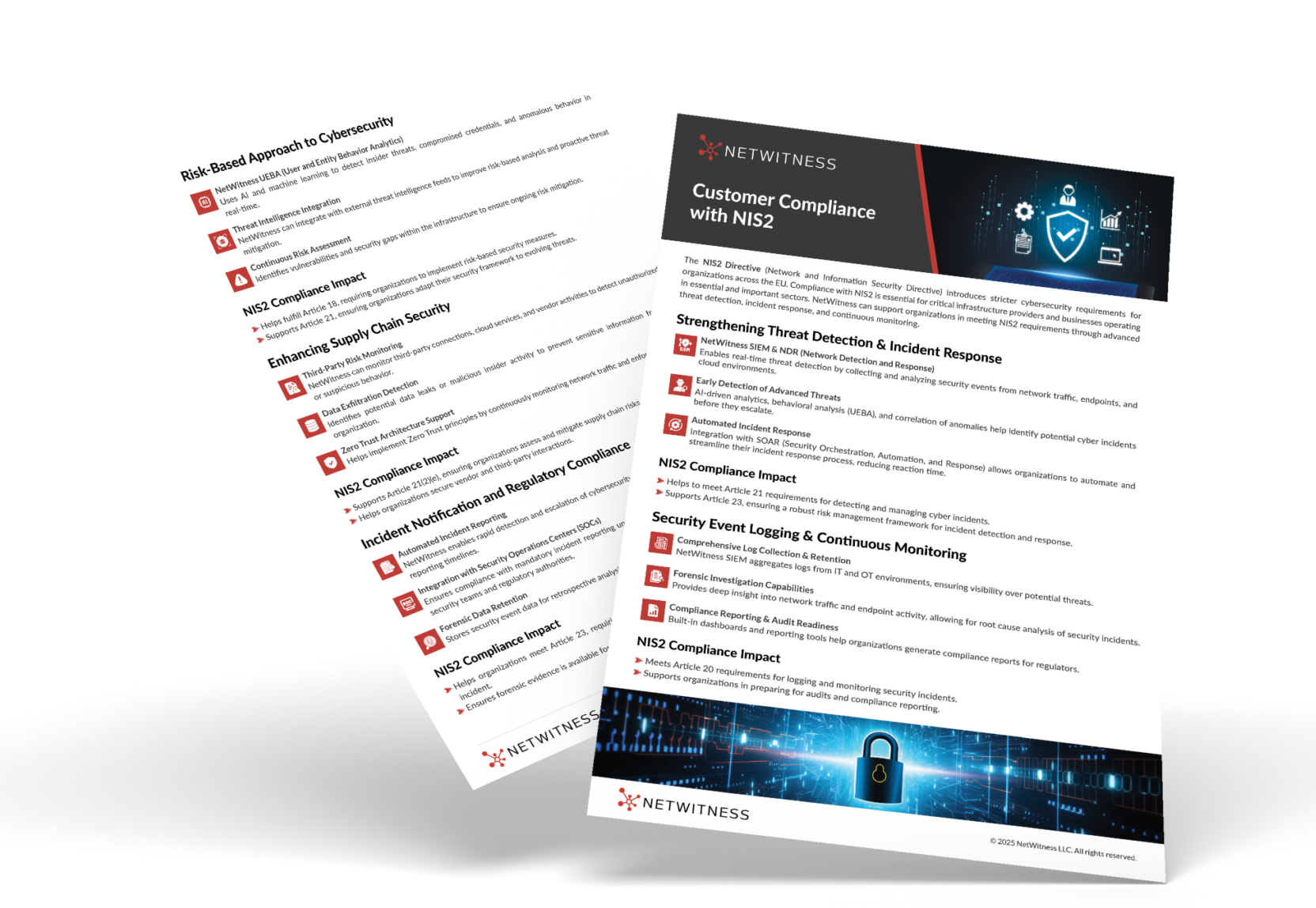
Achieve NIS2 Compliance with Confidence
- Meet NIS2 requirements across IT and OT environments
- Detect and respond to threats in real time
- Streamline compliance reporting and audit readiness
- Reduce risk with continuous monitoring and analytics
Core Cybersecurity Controls for Modern Enterprises
Modern enterprise cybersecurity requires layered controls across several high risk areas.
Identity and Access Management
Organizations should implement:
- Zero Trust Architecture principles
- Multi Factor Authentication
- Role Based Access Control
- Least privilege access policies
Strong IAM controls help reduce the impact of compromised credentials and unauthorized access.
Data Protection
Data protection practices should include:
- Encryption for data at rest and in transit
- Automated backup and recovery solutions
- Secure storage mechanisms
- Continuous monitoring of data access
Threat Detection and Response
Modern cybersecurity platforms should support:
- SIEM based log aggregation
- Real time anomaly detection
- Threat intelligence integration
- Endpoint monitoring
- Incident response workflows
Organizations should also follow the NIST Incident Response Lifecycle covering preparation, detection, containment, recovery, and post incident activities.
Unified cybersecurity platforms help solve this challenge by consolidating detection, investigation, and response workflows into a single operational environment. Platforms like NetWitness provide centralized visibility across logs, packets, endpoints, cloud workloads, and threat intelligence feeds through a single pane of glass. This enables security teams to investigate threats faster, reduce manual correlation efforts, and maintain consistent workflows across the SOC.
A unified platform approach also improves operational efficiency by supporting repeatable incident response processes, recurring reporting workflows, and automated prioritization that helps security teams focus on the most critical risks first.
Third Party Risk Management
Vendor security remains a major concern across enterprise cybersecurity environments.
Organizations should:
- Conduct vendor risk assessments
- Enforce security requirements contractually
- Monitor vendor performance continuously
- Evaluate encryption and access controls regularly
Continuous Monitoring and Automation
Modern cybersecurity software increasingly relies on AI driven monitoring and automation to improve response speed.
Automation helps organizations:
- Improve threat detection
- Prioritize alerts
- Simplify patch management
- Identify compliance gaps
- Maintain visibility across environments
Continuous Diagnostics and Mitigation solutions provide real time insight into vulnerabilities and configuration weaknesses.
How to Continuously Improve Cybersecurity Risk Management
Cybersecurity risk management is an ongoing process rather than a one time assessment.
The NIST CSF 2.0 organizes this through the Monitor Evaluate Adjust framework.
Monitor – Measure whether controls remain operational and effective.
Evaluate – Assess whether security controls continue meeting desired business and risk outcomes.
Adjust – Update controls, policies, risk tolerance statements, and operational processes as business conditions evolve.
This cycle helps organizations maintain updated risk registers, enterprise risk profiles, and security priorities as threats change over time.
Cybersecurity Awareness and Employee Training Best Practices
Effective cybersecurity risk management requires collaboration beyond the security team.
Organizations should involve:
- IT teams
- Business units
- Finance departments
- Legal teams
- Compliance leaders
This ensures enterprise cybersecurity decisions reflect operational realities, financial priorities, and regulatory requirements.
Workforce readiness should also include:
- Skills assessments
- Security awareness initiatives
- Workforce development programs
- Tabletop exercises
- Incident response simulations
Organizations that identify workforce gaps early are better positioned to strengthen resilience and reduce operational risk.
Cybersecurity Compliance and Risk Reporting Best Practices
Security findings must be communicated clearly to executive leadership and board members.
Reporting best practices include:
- Executive summaries with financial impact analysis
- Compliance mapping for regulations such as GDPR, SEC, and NYDFS
- Residual risk reporting
- Incident tracking metrics
- Mean time to detect and respond metrics
- Control effectiveness reporting
Leadership teams increasingly expect cybersecurity investments to demonstrate measurable business value and risk reduction.
How to Strengthen Enterprise Cybersecurity Resilience
The most resilient organizations treat cybersecurity as a continuous operational function rather than a yearly project.
Key continuous improvement practices include:
- Continuous risk assessment using real time data
- Threat intelligence driven monitoring
- Reassessment after mergers or cloud migrations
- Immediate updates to risk registers after incidents
- Red team exercises and penetration testing
- Ongoing audits and validation exercises
By integrating cybersecurity into routine decision making, enterprises can improve resilience, maintain compliance, strengthen healthcare cybersecurity and financial services cybersecurity programs, and protect critical business operations in an increasingly unpredictable threat environment.
Conclusion
Cybersecurity risk management has become a business priority for every modern enterprise. As organizations expand across cloud environments, hybrid infrastructure, and connected digital ecosystems, the need for a structured enterprise cybersecurity strategy continues to grow.
Strong enterprise cybersecurity depends on more than isolated cybersecurity tools or one time compliance efforts. Organizations need continuous monitoring, clear governance, asset visibility, workforce readiness, advanced cybersecurity solutions, and effective risk prioritization to reduce exposure and strengthen resilience.
By integrating cybersecurity risk management into broader enterprise risk management cybersecurity practices, businesses can improve operational stability, support compliance requirements, and respond more effectively to evolving threats.
Enterprises that continuously assess risk, modernize cybersecurity software, strengthen cybersecurity awareness, and invest in scalable enterprise cybersecurity solutions will be better prepared to protect critical assets and maintain long term business continuity.
Frequently Asked Questions
1. What are the best tools for cyber security risk management in enterprises?
The best cybersecurity tools include SIEM platforms, vulnerability management solutions, endpoint monitoring, threat intelligence platforms, and centralized cybersecurity software for continuous monitoring and risk analysis.
2. What are the essential steps for establishing a cyber risk management program?
Key steps include asset identification, threat analysis, risk scoring, vulnerability management, security control implementation, incident response planning, and continuous monitoring.
3. How to choose a cyber security risk management software provider?
Choose a cybersecurity platform that offers centralized visibility, automation, cloud security support, scalability, compliance reporting, and integration across enterprise environments. Unified platforms like NetWitness help organizations manage detection, investigation, response, and recurring reporting workflows through a single pane of glass, reducing operational complexity and improving SOC efficiency.
4. What are the top cyber security risk assessment services for small businesses?
Top services usually include vulnerability assessments, penetration testing, cloud security reviews, compliance assessments, and managed cybersecurity solutions.
5. How to choose a vulnerability management solution that fits enterprise needs?
Select a solution like NetWitness with real time scanning, asset visibility, automation, cloud compatibility, recurring reporting capabilities, and integration with enterprise cybersecurity solutions. Organizations should also prioritize platforms that unify vulnerability insights with broader threat detection and response workflows to improve operational visibility and accelerate remediation efforts.
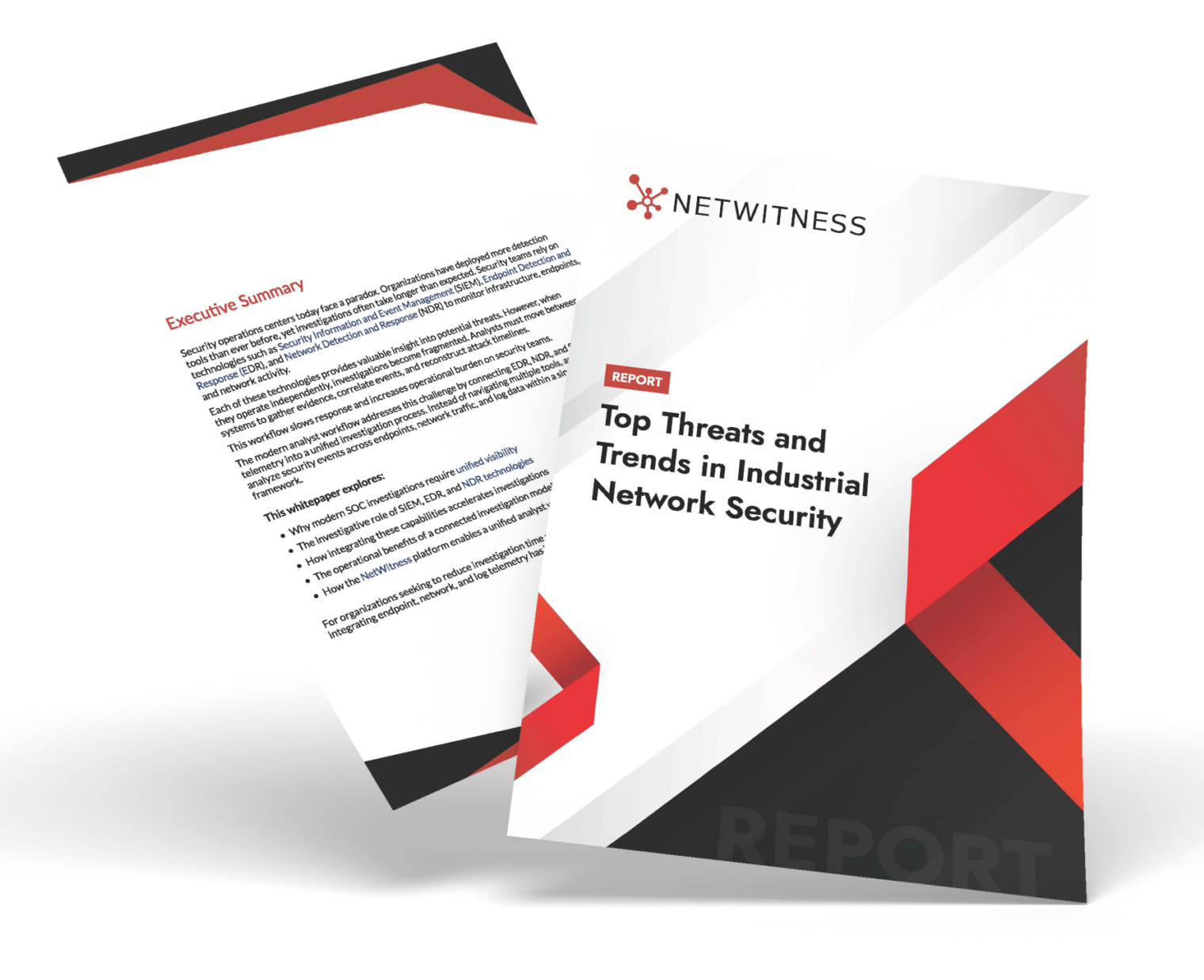
Uncover the Top Threats Shaping Industrial Network Security
- Emerging threats targeting industrial control systems (ICS)
- Ransomware and supply chain risks in OT environments
- Hidden attack paths across converged IT/OT networks
- Real-world trends impacting critical infrastructure security