What is Cloud Infrastructure Security?
Cloud Infrastructure Security encompasses the comprehensive set of technologies, policies, processes, and best practices that protect cloud-based infrastructure, cloud services, cloud data, cloud applications, and cloud systems from unauthorized access, data breaches, misconfigurations, and cyber threats while ensuring confidentiality, integrity, and availability across cloud deployments including Software-as-a-Service (SaaS), Platform-as-a-Service (PaaS), and Infrastructure-as-a-Service (IaaS) models.
This multifaceted discipline addresses cloud infrastructure security threats unique to cloud computing environments including cloud misconfigurations exposing resources, inadequate access controls, compromised cloud credentials, data exfiltration through insecure cloud storage, supply chain vulnerabilities within cloud ecosystems, and compliance violations in regulated industries requiring cloud security strategy implementation.
Synonyms
- Cloud Infrastructure Protection
- Cloud Environment Security
- Cloud Systems Security
- Cloud Computing Security
- Cloud Environment Protection
- Cloud Resource Security
- Cloud-Native Application Protection Platform (CNAPP)
- Unified Cloud Security Platform
- Cloud Security Posture Management (CSPM)
- Cloud Detection and Response (CDR)
- Cloud Infrastructure Entitlement Management (CIEM)
- Data Security Posture Management (DSPM)
Why Cloud Infrastructure Security Matters
Cloud adoption fundamentally transforms security requirements by distributing infrastructure across provider-managed environments introducing risks traditional security approaches cannot address.
- Shared Responsibility Model Creates Confusion: Cloud providers secure underlying infrastructure while organizations remain responsible for securing applications, data, access controls, and configurations. This shared responsibility often leaves organizations assuming greater cloud provider protection than actually exists, creating dangerous security gaps where critical defenses fall through responsibility cracks.
- Cloud Misconfigurations Are Primary Attack Vectors: Surveys consistently show cloud misconfigurations cause majority of cloud data breaches more than sophisticated hacking. Overly permissive Identity and Access Management (IAM) policies, public cloud storage buckets, unencrypted databases, and disabled logging create easily exploitable exposures that attackers actively target.
- Attack Surface Expands Dramatically: Cloud adoption adds endpoints including API connections, cloud storage services, serverless functions, containers, and managed databases to organizational attack surfaces. Each expansion point represents potential vulnerability requiring cloud security monitoring and threat detection.
- Multi-Cloud Complexity Multiplies Risks: Organizations operating multiple cloud providers with different security models, configurations, and compliance requirements struggle maintaining consistent cloud security posture across heterogeneous environments. Security gaps emerge from inconsistent implementation across cloud platforms.
- Rapid Cloud Deployment Outpaces Security: Cloud services enable near-instantaneous infrastructure provisioning. Without automated cloud security implementation, infrastructure deploys before security controls activate, creating exposed resources attackers discover and compromise before remediation.
- Data Residency and Sovereignty Concerns: Cloud deployments may store sensitive data in jurisdictions with different regulatory requirements complicating compliance with GDPR, HIPAA, and data residency mandates, creating legal and regulatory risks.
- Insider Threats and Compromised Credentials: Cloud systems accessed from anywhere via internet require robust credential management. Stolen or weak credentials enable attackers to access cloud resources from any location, compromising infrastructure security.
How Cloud Infrastructure Security Works
Effective cloud infrastructure security integrates multiple layers protecting cloud environments:
- Cloud Security Architecture: Designing secure cloud infrastructure requires implementing defense in depth principles with multiple overlapping controls. Cloud security architecture includes network segmentation isolating workloads, identity-based access controls limiting permissions to least privilege, encryption protecting data in transit and at rest, and continuous monitoring detecting suspicious activities.
- Cloud Security Posture Management (CSPM): CSPM platforms continuously discover cloud resources, assess configurations against security baselines, identify misconfigurations and compliance violations, and provide remediation guidance. This automated assessment maintains visibility into cloud infrastructure security across cloud deployments.
- Access Control and Identity Management: Implement cloud-native identity and access management controlling who and what can access cloud resources. Multi-factor authentication (MFA) protects cloud credentials, role-based access control (RBAC) enforces least privilege, and privilege access management controls administrative access.
- Cloud Network Security: Segment cloud networks isolating workloads and sensitive resources from untrusted networks. Implement cloud firewalls, network access control lists, VPNs, and microsegmentation preventing lateral movement if workloads are compromised. Monitor network traffic detecting suspicious communications.
- Cloud Data Protection: Encrypt sensitive data in cloud storage and databases both at rest and in transit. Implement data loss prevention (DLP) solutions monitoring and blocking unauthorized data transfers. Use key management services protecting encryption keys from unauthorized access.
- Cloud Threat Detection and Response: Deploy cloud detection and response (CDR) solutions monitoring cloud workloads, applications, and user activities detecting anomalies, compromise indicators, and attack patterns. Automated response capabilities contain threats rapidly minimizing damage.
- Cloud Monitoring and Logging: Enable comprehensive logging across cloud services capturing authentication attempts, API calls, data access, configuration changes, and security events. Aggregate logs into centralized platforms enabling threat detection, forensic analysis, and compliance reporting.
- Container and Serverless Security: Secure containerized workloads and serverless functions through image scanning detecting vulnerabilities, runtime monitoring detecting suspicious behavior, and resource quotas preventing resource exhaustion attacks.
- Cloud-Native Application Protection Platform (CNAPP): Unified platforms combining cloud security posture management, cloud threat detection, and workload protection providing comprehensive application security across cloud-native environments.
Cloud Infrastructure Security Challenges
- Rapid Changes Outpace Control Implementation: Cloud infrastructure changes constantly as developers provision resources, deploy applications, and modify configurations. Manual security controls cannot keep pace requiring automation.
- Visibility Gaps Hide Threats: Shadow cloud deployments where departments use cloud services without IT oversight create infrastructure existing outside security monitoring enabling attackers to operate undetected.
- Resource Sprawl Creates Management Burden: Organizations often fail to track all cloud resources deployed across teams and projects. Untracked resources lack security controls becoming easy compromise targets.
- Legacy Security Tools Lack Cloud Capabilities: Traditional security tools designed for static, on-premises infrastructure struggle in dynamic cloud environments with ephemeral workloads and distributed architecture.
- Skill Gaps Limit Cloud Security Implementation: Cloud security requires different expertise than traditional infrastructure security. Cybersecurity skills shortages mean many organizations lack personnel implementing and maintaining cloud security controls.
- Compliance Complexity Increases: Different cloud regions and services have different compliance requirements. Multi-cloud deployments multiply compliance complexity across heterogeneous environments.
Best Practices for Cloud Infrastructure Security
- Implement Cloud Security Architecture: Design secure-by-default cloud infrastructure with security controls integrated into infrastructure-as-code templates ensuring consistent, repeatable secure deployments.
- Enable Cloud Security Posture Management: Deploy CSPM solutions continuously scanning cloud infrastructure identifying misconfigurations, compliance violations, and security weaknesses. Prioritize remediation based on risk and exploit likelihood.
- Enforce Identity and Access Management: Implement cloud-native IAM controlling access through identity-based policies, enforcing least privilege access, requiring multi-factor authentication, and regularly auditing access permissions.
- Segment Cloud Networks: Implement network segmentation isolating workloads by security requirement. Use microsegmentation for sensitive resources preventing lateral movement if compromise occurs.
- Encrypt Sensitive Data: Encrypt data in cloud storage, databases, and in transit. Use cloud-native encryption services managing encryption keys. Implement key rotation and separate key storage from encrypted data.
- Enable Comprehensive Cloud Monitoring: Activate cloud service logging capturing all relevant events. Forward logs to centralized SIEM enabling threat detection, investigations, and compliance reporting.
- Implement Cloud Threat Detection: Deploy cloud detection and response solutions monitoring workloads, applications, and users detecting compromise indicators and attack patterns. Automate response for verified threats.
- Conduct Regular Cloud Security Assessments: Perform periodic penetration testing, vulnerability assessments, and security reviews of cloud infrastructure identifying weaknesses before attackers exploit them.
- Secure Cloud Data: Classify sensitive data determining appropriate protection levels. Implement data loss prevention monitoring sensitive data movements. Restrict access to sensitive cloud databases and storage.
- Train Cloud Users: Provide security awareness training teaching users cloud security practices, credential hygiene, phishing recognition, and reporting procedures.
- Monitor Third-Party Cloud Services: Extend cloud security assessment to SaaS applications and cloud services evaluating security posture and compliance status.
- Plan for Disaster Recovery: Implement backup and disaster recovery procedures ensuring business continuity if cloud infrastructure is compromised or services fail.
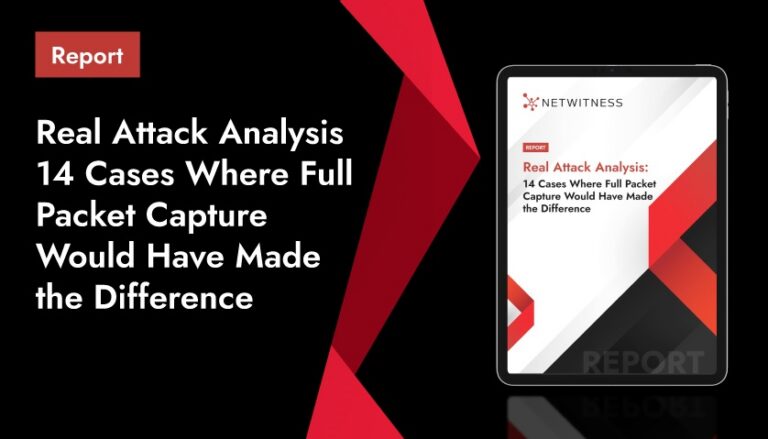
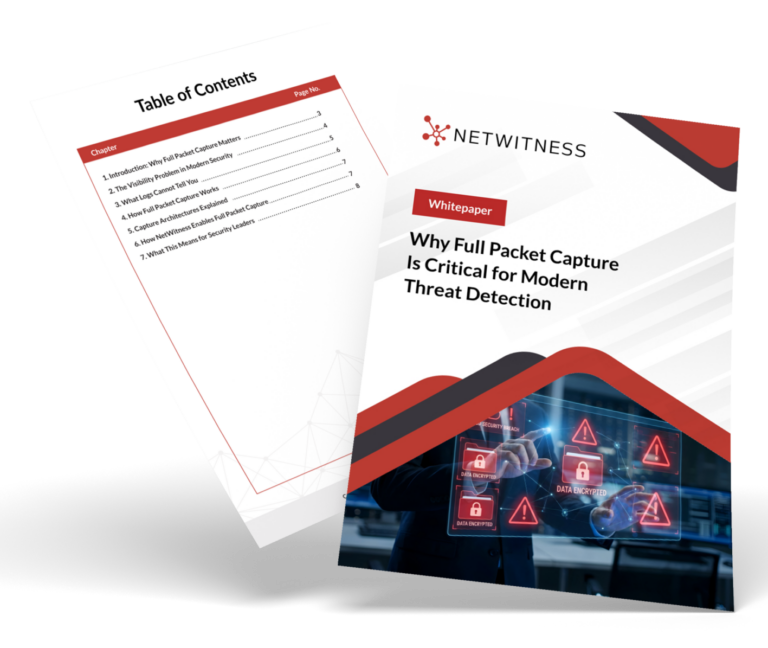
Learn why full packet capture is critical for modern threat detection and faster incident response.
Inside you’ll find:
– Clear guidance on where log-driven security falls short.
– Ways to uncover threats hidden in network traffic.
– How to reconstruct attacks from end to end.
– Practical insight to investigate incidents with packet-level proof.
Related Terms & Synonyms
- Cloud Infrastructure Protection: Technologies and processes protecting cloud infrastructure from unauthorized access and attack.
- Cloud Environment Security: Security controls and measures protecting cloud computing environments.
- Cloud Systems Security: Security of cloud-based systems, applications, and workloads.
- Cloud Computing Security: Comprehensive security practices protecting cloud infrastructure and services.
- Cloud Environment Protection: Protective measures safeguarding cloud environments from threats.
- Cloud Resource Security: Protection of cloud resources including storage, databases, and compute services.
- Cloud-Native Application Protection Platform (CNAPP): Unified platform providing comprehensive application security in cloud environments.
- Unified Cloud Security Platform: Integrated platform consolidating multiple cloud security functions.
- Cloud Security Posture Management (CSPM): Continuous assessment of cloud security configurations identifying misconfigurations.
- Cloud Detection and Response (CDR): Threat detection and response capabilities specifically for cloud environments.
- Cloud Infrastructure Entitlement Management (CIEM): Tools managing and auditing cloud resource access permissions.
- Data Security Posture Management (DSPM): Continuous assessment of data protection in cloud environments.
People Also Ask
1. What is cloud security?
Cloud security encompasses technologies, policies, and practices protecting cloud infrastructure, applications, and data from unauthorized access, breaches, and attacks while ensuring regulatory compliance and business continuity.
2. What is infrastructure security?
Infrastructure security protects underlying IT infrastructure including servers, networks, storage, and computing resources from unauthorized access, compromise, and disruption through security controls and monitoring.
3. What is cloud computing security?
Cloud computing security focuses specifically on protecting cloud-based infrastructure, services, applications, and data from threats unique to cloud environments including misconfigurations, unauthorized access, and data breaches.
4. Why is cloud security important?
Cloud security is critical because cloud adoption expands attack surfaces, cloud misconfigurations enable easy exploitation, shared responsibility models create gaps, and cloud breaches expose vast data volumes due to centralized cloud storage.
5. How does cloud security work?
Cloud security operates through identity and access management controlling access, encryption protecting data, network segmentation isolating workloads, monitoring detecting threats, and automated response containing incidents.
6. How to secure sensitive data in cloud environments?
Secure cloud data through classification, encryption in transit and at rest, access controls limiting who accesses data, data loss prevention monitoring transfers, and regular auditing of data access.
7. What is infrastructure security in cloud computing?
Infrastructure security in cloud computing addresses unique cloud security requirements including securing virtual machines, containers, serverless functions, cloud databases, and APIs protecting cloud-native infrastructure.
8. How to secure cloud infrastructure?
Secure cloud infrastructure through CSPM identifying misconfigurations, IAM enforcing least privilege access, network segmentation isolating workloads, encryption protecting data, monitoring detecting threats, and regular security assessments.
9. Who is responsible for security in the cloud?
Cloud providers secure underlying infrastructure; organizations secure applications, data, access controls, and configurations. Shared responsibility requires both parties implementing appropriate controls.
10. How to ensure security and compliance in hybrid multi-cloud infrastructure?
Ensure hybrid and multi-cloud security through unified CSPM platforms providing cross-cloud visibility, consistent security policies, centralized monitoring, and compliance assessment across heterogeneous cloud environments.