What is Identity and Access Management (IAM)?
Identity and Access Management (IAM) is a cybersecurity framework that manages digital identities and controls access to organizational resources. It authenticates users, verifies permissions, and ensures only authorized individuals can access specific systems, applications, and data.
Organizations use identity and access management solutions to protect sensitive information, enforce security policies, and manage access across on-premises, cloud, and hybrid environments. Common IAM capabilities include Multi-Factor Authentication (MFA), Single Sign-On (SSO), role-based access controls, and identity lifecycle management.
As organizations manage growing numbers of users, applications, devices, and cloud resources, controlling access to sensitive information has become a critical security challenge. Identity and Access Management (IAM) helps organizations verify user identities, manage permissions, and ensure that only authorized individuals can access specific systems and data. By combining identity management, authentication, and access control, IAM strengthens security, supports compliance requirements, and reduces the risk of unauthorized access across modern IT environments.
Synonyms
- Access Management
- Identity Management
- User Access Management
- User Identity Management
- Access Control Management
- Digital Identity Management
- Identity Security Management
- Enterprise Identity Management
- Privileged Access Management (PAM)
- Privileged Identity Management (PIM)
- Identity Governance and Administration
- User and Entity Behavior Analytics (UEBA)
- Identity Threat Detection and Response (ITDR)
- Customer Identity and Access Management (CIAM)
Why Identity and Access Management Matters
Modern organizations manage thousands of users, devices, applications, and cloud resources. Without effective access and identity management, organizations face increased risks of data breaches, insider threats, credential theft, and compliance violations.
A robust identity and access management platform helps organizations:
- Verify user identities before granting access.
- Enforce security policies consistently.
- Protect sensitive business data.
- Support regulatory compliance requirements.
- Enable secure remote and hybrid work environments.
- Reduce the risk of compromised credentials.
As cyberattacks increasingly target user identities, IAM security has become a critical component of enterprise cybersecurity programs.
How Identity and Access Management Works
An identity and access management framework governs the entire lifecycle of user identities and access privileges.
The process typically includes four core components:
1. Identity Management:
Identity management involves creating, maintaining, and deleting digital identities throughout the employee, customer, or partner lifecycle. This process is often referred to as identity lifecycle management.
2. Authentication:
Authentication verifies that users are who they claim to be. Common methods include:
- Passwords
- Multi-factor authentication (MFA)
- Two-factor authentication (2FA)
- Biometrics
- Risk-based authentication
3. Authorization:
After authentication, IAM determines what resources users can access based on predefined policies and roles. This aspect of identity management and access control ensures users receive only the permissions necessary to perform their jobs.
4. Access Governance:
Organizations continuously monitor user permissions, access requests, and privileged accounts to maintain security and compliance.
Key Types of Identity and Access Management
Different organizations use various IAM models depending on their requirements.
- Customer Identity and Access Management (CIAM): Customer identity and access management (CIAM) helps organizations securely manage customer identities, registrations, authentication, and user experiences across digital channels.
- Consumer Identity and Access Management: Consumer identity and access management focuses on protecting customer accounts while delivering seamless login experiences.
- Cloud Identity and Access Management: Cloud identity and access management enables organizations to control access across cloud platforms, SaaS applications, and hybrid environments. Many enterprises deploy cloud based identity and access management solutions or adopt cloud IAM services to support distributed workforces.
- Privileged Access Management (PAM): Privileged Access Management (PAM) secures high-risk accounts with elevated permissions that could significantly impact business systems if compromised.
Identity and Access Management Best Practices
Organizations can strengthen their identity and access management strategy by following these proven practices:
- Implement MFA across all critical systems.
- Apply the principle of least privilege.
- Conduct regular access reviews and audits.
- Use Single Sign-On (SSO) to improve security and user experience.
- Monitor privileged accounts continuously.
- Automate identity lifecycle management processes.
- Perform regular identity and access management risk assessments.
- Adopt Zero Trust identity and access management principles.
These identity and access management best practices help reduce attack surfaces while improving operational efficiency.
AI in Identity and Access Management
Artificial intelligence is transforming IAM by helping organizations detect suspicious behavior, identify compromised accounts, and automate access decisions.
AI in identity and access management enables:
- Behavioral analytics.
- Anomaly detection.
- Risk-based authentication.
- Automated access reviews.
- Threat prediction and response.
AI-powered identity security solutions help organizations respond to threats faster while reducing administrative workloads.
Common Identity and Access Management Risks
Despite its benefits, organizations must address several identity and access management risks, including:
- Weak passwords.
- Credential theft.
- Privilege escalation attacks.
- Excessive user permissions.
- Orphaned accounts.
- Insider threats.
- Misconfigured cloud identities.
Strong governance and continuous monitoring are essential for minimizing these risks.
NetWitness Connection
Identity-based attacks remain one of the most common paths to compromise. NetWitness helps organizations strengthen identity security through advanced threat detection, visibility, behavioral analytics, and incident response capabilities. By providing deeper insight into user activity and access patterns, NetWitness helps security teams detect suspicious behavior, investigate identity-related threats, and support a Zero Trust security strategy.
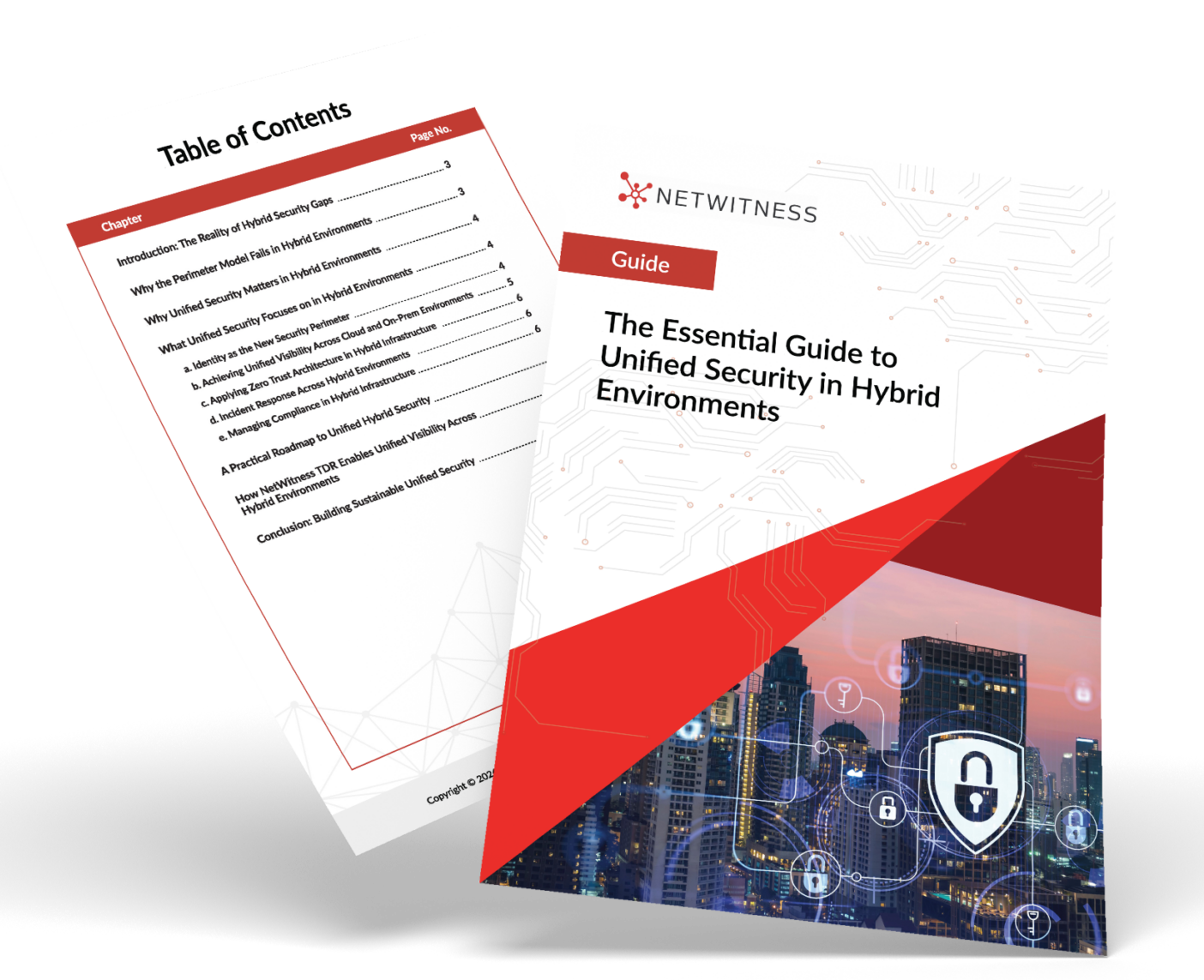
Unify Security Across Hybrid Environments
– Gain complete visibility across cloud, on-prem, and endpoints.
– Detect threats faster with correlated insights across all layers.
– Reduce complexity with a single, integrated security platform.
– Strengthen your defenses with NetWitness unified security.
Related Terms & Synonyms
- Access Management: The process of controlling who can access systems, applications, and data.
- Identity Management: The administration of user identities throughout their lifecycle.
- User Access Management: Managing permissions and access rights for users across organizational resources.
- User Identity Management: Creating, maintaining, and governing digital user identities.
- Access Control Management: Implementing policies that determine access permissions.
- Digital Identity Management: Managing digital identities across enterprise systems and applications.
- Identity Security Management: Protecting identities from misuse, compromise, and unauthorized access.
- Enterprise Identity Management: Centralized management of identities across large organizations.
- Privileged Access Management (PAM): Securing highly privileged accounts and administrative access.
- Privileged Identity Management (PIM): Managing privileged identities and elevated permissions.
- Identity Governance and Administration (IGA): Establishing policies and controls for identity lifecycle and access governance.
- User and Entity Behavior Analytics (UEBA): Analyzing user activity to detect unusual or risky behavior.
- Identity Threat Detection and Response (ITDR): Identifying and responding to attacks targeting identities and credentials.
- Customer Identity and Access Management (CIAM): Managing customer identities while delivering secure digital experiences.
People Also Ask
1. What is customer identity and access management?
Customer Identity and Access Management (CIAM) is a subset of IAM that manages customer registration, authentication, authorization, and profile management while providing secure user experiences.
2. Why is identity and access management important?
IAM helps protect sensitive data, prevent unauthorized access, improve compliance, and reduce cybersecurity risks associated with compromised identities.
3. What is the difference between identity management and access management?
Identity management focuses on creating and maintaining user identities, while access management determines what resources those identities can access.
4. How AI is changing identity and access management?
AI improves threat detection, automates access decisions, enables behavioral analytics, and enhances identity protection through risk-based authentication.
5. What is user identity?
A user identity is a unique digital representation of an individual within an organization’s systems, including credentials, attributes, and permissions.
6. What is IAM in cyber security?
IAM is a cybersecurity framework that manages identities, authentication, authorization, and access controls to protect organizational resources.
7. What is identity management?
Identity management is the process of creating, maintaining, updating, and removing digital identities throughout their lifecycle.
8. How can you integrate IAM with data center security?
Organizations can integrate IAM with data center security by enforcing centralized authentication, privileged access controls, role-based permissions, and continuous monitoring.
9. What is identity management in cloud computing?
Cloud identity management governs user identities and permissions across cloud environments, applications, and services.
10. How does IAM work?
IAM works by authenticating users, authorizing access based on policies, managing identities, and continuously monitoring user activity.
11. What are the 4 components of identity access management?
The four core components are identity management, authentication, authorization, and access governance.
12. What does an IAM analyst do?
An identity and access management analyst manages user access controls, performs audits, monitors identity-related risks, supports compliance initiatives, and helps maintain secure IAM operations.