What tools are essential for managing SecOps efficiently?
Essential security operations tools for SecOps include SIEM platforms, endpoint detection and response (EDR) tools, network detection and response (NDR) systems, security orchestration tools, threat intelligence platforms, and behavioral analytics solutions.
Together, these tools help security teams monitor activity, detect threats, investigate incidents, and automate response across enterprise environments. When integrated as unified security tools, they provide centralized visibility and faster incident response for modern SOC teams.
Introduction
The operations in the field of security have become complex as never before. Organizations have been incorporating one tool after another in order to contain emerging threats within the past decade. The stack now included endpoint protection, firewalls, SIEM systems, threat intelligence feeds, automation tools, and cloud monitoring systems.
This expansion appeared to be needed at first. Each category of threats required its solution. However, in the course of time, most businesses found themselves having dozens of uncoordinated cybersecurity operations tools, which hardly interact with each other.
This fragmentation is a real issue in the operation of the SecOps teams. Analysts use more time in moving through dashboards than investigating incidents. There is a low correlation between alerts on various systems. Gap in visibility complicates the process of detecting the way an attack actually occurred.
This model is no longer preferred in the modern security operations. Rather than having security tools that operate in isolation, organisations are looking at integrated security tools that pull together detection, investigations as well as response in a single operating environment. The ability to identify both the tools required is the initial step in creating an effective SecOps strategy.
Why Fragmented Security Tools Create Problems for SecOps
Most fragmented security environments did not start that way. They evolved gradually as organizations adopted new technologies to address emerging risks. Over time, these additions created complex stacks of SOC management tools that operate independently.
This fragmentation affects security operations in several ways.
- Limited visibility across environments
When data is spread across multiple tools, analysts cannot easily see the full attack chain. Network activity may appear in one system while endpoint behavior is recorded in another. Without correlation, important signals can be missed. - Slower incident investigations
Security analysts often need to gather evidence manually from multiple dashboards. Investigations that should take minutes can stretch into hours while teams search across systems for relevant information. - Alert overload and duplicate notifications
Different cybersecurity operations tools may detect the same activity independently. This produces duplicate alerts and contributes to alert fatigue among SOC analysts. - Operational inefficiency within the SOC
Security teams spend significant time maintaining integrations, managing alerts, and switching between platforms instead of focusing on threat analysis and response.
Because of these challenges, many organizations are shifting toward consolidated security platforms and integrated security operations tools.

Core Security Operations Tools Required for Efficient SecOps
Even in a unified environment, several technologies remain fundamental to effective security operations. These tools work together to provide visibility, threat detection, investigation capabilities, and automated response.
1. SIEM Tools for Enterprise Security Monitoring
Security Information and Event Management platforms form the backbone of many Security Operations Centers. SIEM tools collect and analyze logs from across enterprise environments including servers, cloud platforms, applications, and network devices. These platforms provide centralized visibility and allow analysts to investigate suspicious activity across the infrastructure.
Key capabilities of SIEM tools include:
- Centralized log aggregation –SIEM platforms collect logs from multiple systems and store them in a single environment, allowing security teams to analyze events across the organization.
- Security event correlation – By analyzing patterns across different data sources, SIEM tools can identify connections between events that might indicate malicious activity.
- Real-time alerting and monitoring – Modern SIEM platforms detect suspicious behavior and generate alerts that help SOC teams identify potential threats quickly.
- Compliance and audit reporting – Many organizations rely on SIEM platforms to support regulatory compliance requirements by maintaining detailed records of security activity.
The most effective SIEM tools for security operations also integrate advanced analytics and behavioral detection to identify complex attack patterns.
2. Threat Detection and Response Tools for Endpoint Security
Endpoints remain one of the most common entry points for cyberattacks. Employees interact with email, web applications, and external devices, which creates opportunities for attackers to gain access. Endpoint detection and response platforms are essential threat detection and response tools that continuously monitor device activity.
These tools provide several important capabilities.
- Continuous monitoring of endpoint behavior – EDR platforms track processes, file activity, and system changes on endpoints to detect suspicious behavior.
- Rapid containment of compromised devices – Security teams can isolate infected endpoints from the network to prevent attackers from moving laterally.
- Detailed forensic investigation – Endpoint monitoring tools allow analysts to review attack timelines and understand how a compromise occurred.
- Integration with other security operations tools – EDR systems often feed telemetry into SIEM platforms and automation tools to support coordinated response efforts.
Strong endpoint visibility allows SecOps teams to detect attacks early and respond before they spread.
3. Network Detection and Response Tools
While endpoint tools monitor individual devices, network detection platforms focus on traffic patterns across the organization’s infrastructure. Network detection and response systems analyze network behavior to identify anomalies that could indicate an attack.
These cybersecurity operations tools help detect threats such as:
- Lateral movement across internal systems – Attackers often move between devices after gaining initial access. Network monitoring can reveal these movements.
- Suspicious communications with external servers – Command-and-control traffic often appears as unusual outbound connections.
- Data exfiltration attempts – Large or unusual data transfers may signal attempts to steal sensitive information.
- Unusual traffic patterns within cloud environments – NDR platforms can also monitor activity across hybrid and cloud networks.
When combined with endpoint monitoring and SIEM analytics, network visibility helps security teams understand attacker behavior inside the environment.
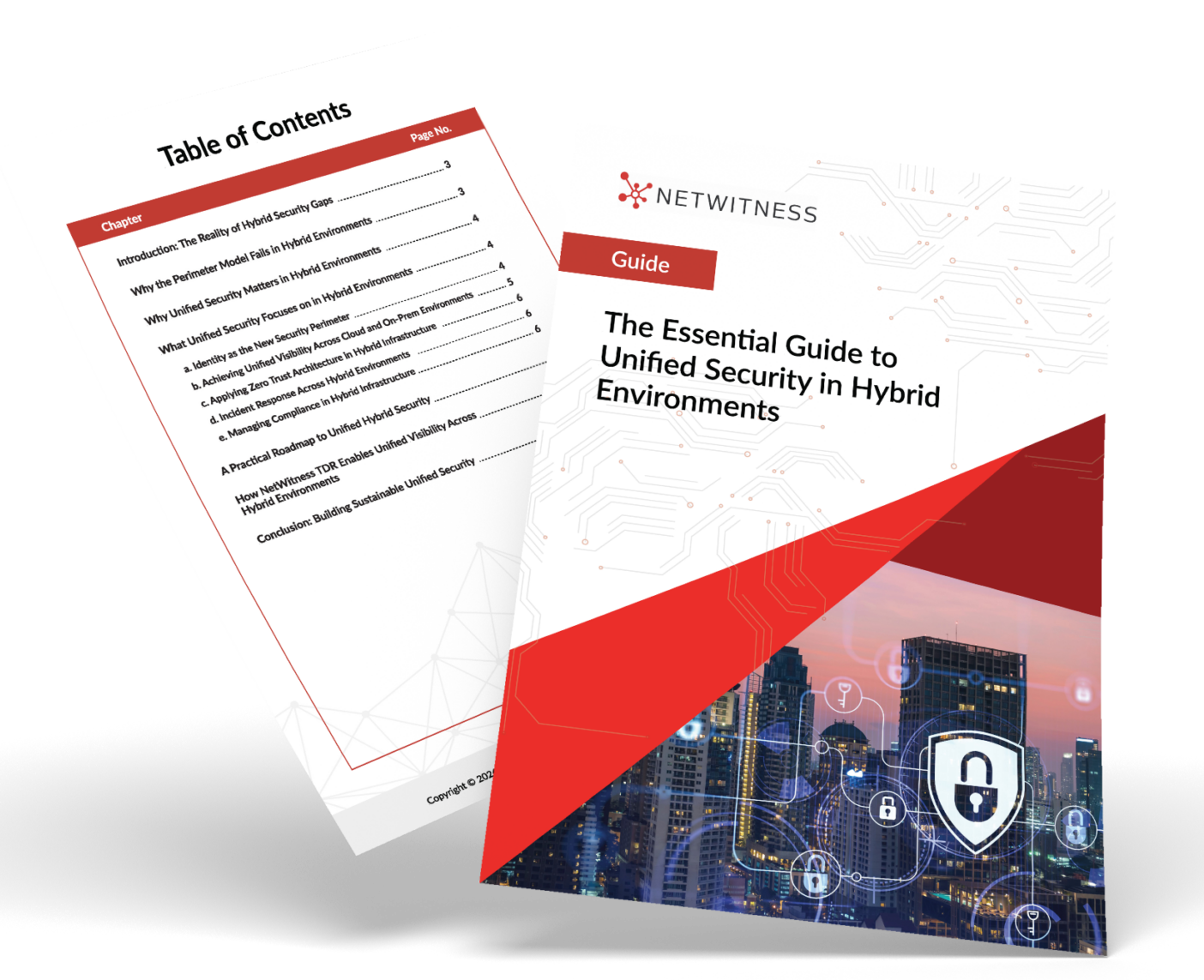
Unify Security Across Hybrid Environments
- Gain complete visibility across cloud, on-prem, and endpoints.
- Detect threats faster with correlated insights across all layers.
- Reduce complexity with a single, integrated security platform.
- Strengthen your defenses with NetWitness unified security
4. Security Orchestration Tools and Automation Platforms
Security teams must process large volumes of alerts every day. Investigating each alert manually would require far more analysts than most organizations can maintain. Security orchestration tools address this challenge by automating many tasks involved in incident response.
Security orchestration and automation platforms provide capabilities such as:
- Automated alert triage – Automation platforms can evaluate alerts and prioritize the most critical incidents.
- Playbook-driven incident response – Predefined response workflows automatically trigger actions such as isolating endpoints or blocking malicious domains.
- Integration across multiple security tools – Security orchestration tools connect SIEM systems, endpoint tools, threat intelligence platforms, and other technologies.
- Faster response to emerging threats – Automation allows security teams to respond within seconds rather than relying on manual intervention.
For modern SecOps environments, automation is essential to maintaining operational efficiency.
5. Threat Intelligence Platforms
Threat intelligence platforms provide context that improves the accuracy of threat detection. These tools gather data about known malicious infrastructure, attack techniques, and threat actors. When integrated with SOC management tools, threat intelligence helps analysts quickly determine whether suspicious activity represents a known threat.
Threat intelligence platforms typically support security operations by providing:
- Context for security alerts – Threat intelligence can identify whether an IP address or domain is associated with malicious activity.
- Information about attacker tactics and techniques – Understanding how attackers operate helps analysts identify patterns across incidents.
- Improved prioritization of alerts – Security teams can focus on threats that are more likely to be malicious.
- Integration with detection systems – Threat intelligence feeds can enrich alerts generated by SIEM or detection platforms.
Contextual intelligence allows security teams to move beyond simple alert monitoring toward informed network threat analysis.
6. Behavioral Analytics and UEBA Tools
Many modern attacks rely on stolen credentials or legitimate access methods. In these cases, attackers may appear as normal users within the system. Behavioral analytics tools address this challenge by analyzing patterns of activity across users and systems.
User and Entity Behavior Analytics platforms detect anomalies such as:
- Unusual login locations or times
- Unexpected access to sensitive systems
- Sudden changes in user behavior patterns
- Large or unusual data transfers
By identifying deviations from normal activity, behavioral analytics systems help security teams detect insider threats and credential-based attacks.
What Enterprises Should Look for in SecOps Tools
Selecting the right security operations tools requires more than comparing individual features. Enterprises must evaluate how well tools integrate and support the broader SecOps strategy.
Important considerations include:
- Integration across security platforms – Tools should connect easily with existing infrastructure and share telemetry across systems.
- Automation and orchestration capabilities – Security orchestration tools can significantly reduce analyst workload and accelerate incident response.
- Scalability for enterprise environments – Large organizations generate massive amounts of security data that must be processed efficiently.
- Advanced threat detection methods – Modern detection systems combine behavioral analytics, machine learning, and threat intelligence.
- Unified visibility across environments – Security teams need centralized dashboards that provide insights across endpoints, networks, and cloud systems.
Organizations that prioritize these factors are more likely to build effective and sustainable SecOps environments.
Conclusion
Managing SecOps efficiently requires more than deploying multiple security products. Fragmented security operations tools and SOC management tools often create visibility gaps and slow investigations, making it harder for security teams to respond quickly to threats.
A stronger approach focuses on integration. When SIEM tools for enterprise monitoring, threat detection and response tools, and security orchestration tools operate together within unified security tools, security teams gain clearer visibility, faster investigations, and more effective incident response.
Frequently Asked Questions
1. What is SecOps in cybersecurity?
SecOps refers to the collaboration between security teams and IT operations teams to monitor systems, detect cyber threats, investigate incidents, and respond to security events across an organization’s infrastructure.
2. Why are fragmented security tools a challenge for SecOps teams?
Fragmented tools create data silos and reduce visibility across the environment. Security teams must manually correlate alerts from different platforms, which slows investigations and increases operational complexity.
3. What are the essential tools for managing SecOps efficiently?
Essential tools include SIEM platforms, endpoint detection and response systems, network detection platforms, security orchestration tools, threat intelligence systems, and behavioral analytics solutions.
4. What should enterprises look for when selecting SecOps tools?
Enterprises should prioritize integration capabilities, automation support, scalability, advanced threat detection features, and centralized visibility across security environments.
5. How do unified SecOps platforms improve incident response?
Unified platforms consolidate data from multiple security tools and automate response workflows. This allows security teams to detect threats faster, investigate incidents more efficiently, and coordinate response actions across their infrastructure.
Threat Intelligence: The Key to Higher Security Operation Performance
Unlock the full potential of your Security Operations Center with deeper visibility, faster detection, and smarter response. This whitepaper explores how modern threat intelligence elevates SOC maturity and helps organizations stay ahead of evolving adversaries.