Cloud SIEM Security: What to Expect in the World of Hybrid Infrastructure

6 minutes read

No business runs purely on-prem anymore. But it’s not purely cloud either. The current and future forecast is cloudy. We have a mixed reality where workloads and data are spread out. They are found in data centers, clouds, SaaS platforms, and endpoints. Security teams must connect the dots in this large ecosystem. That’s where SIEM solutions come in. 

Traditional SIEM tools weren’t designed for this complexity. So, what does cloud SIEM security actually look like when your infrastructure is hybrid, dynamic, and always shifting? 

Let’s break it down. 


Evolution from Traditional SIEM Solution to Cloud SIEM Security 

Old-school SIEM tools were built to ingest logs from servers, network devices, and a handful of cloud apps via connectors. They were heavy, resource-intensive, and rarely scaled without expensive upgrades. As your environment expands beyond the firewall, these SIEM tools either become noisy, blind, or unaffordable. 

Cloud-based SIEM systems are different. They are designed to grow easily. They take in data from cloud APIs, watch container workloads and serverless functions, and handle billions of events each day without reaching storage or compute limits. In hybrid security operations, this scalability isn’t optional, it’s foundational. 

This is where cloud SIEM security becomes critical for modern enterprises. 

cloud siem security

What Hybrid Infrastructure Demands from your SIEM Security

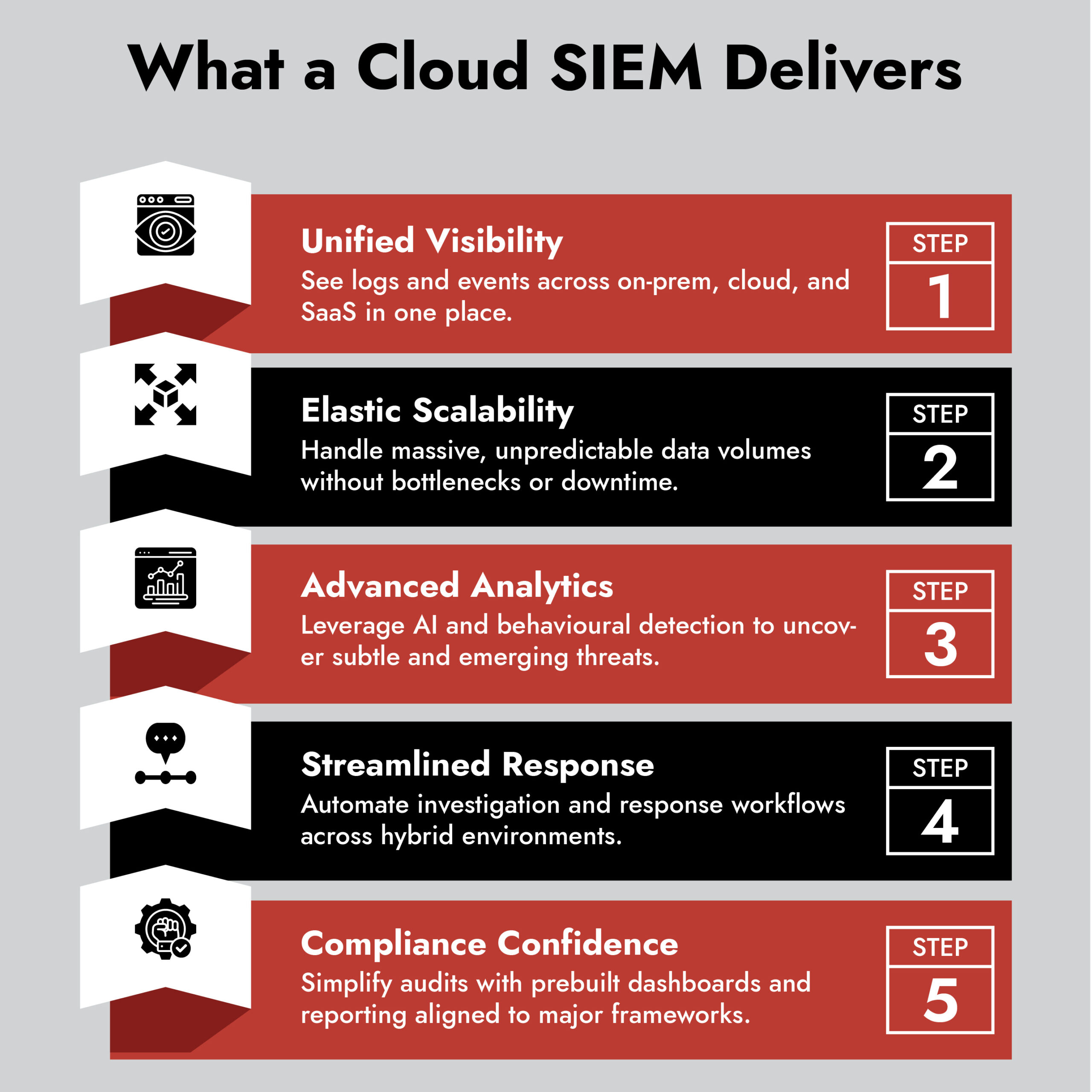
1. Unified Visibility Across On-Prem and Cloud 

Your cloud SIEM must gather, connect, and analyze data from all sourceson-prem firewalls, cloud workloads, SaaS apps, identity providers, and container platformsall in one place. Separate monitoring stacks for on-prem and cloud are a recipe for blind spots. Expect your cloud-native SIEM tool to integrate natively with AWS CloudTrail, Azure Monitor, GCP Logging, and your existing on-prem tools. 

2. Elastic Scalability for Hybrid Workloads 

Hybrid workloads generate unpredictable data volumes. Your SIEM cloud security solution must handle ingestion bursts, long-term retention, and analytics scale-out without manual reconfiguration. Otherwise, incident investigations stall when you need them most. 

3. Advanced Analytics Powered by Cloud 

The true benefit of cloud SIEM is its ability to provide analytics that legacy SIEMs cannot. This includes behavioral analytics, UEBA, and AI-driven anomaly detection. These tools identify subtle threatslike on-prem lateral movement and cloud IAM abusethat older tools miss. 

4. Streamlined Threat Hunting and Automated Response 

Modern cloud SIEMs automatically add context to alertsasset importance, IAM policies, and user behavior. They coordinate responses across your hybrid environment. Blocking malicious IPs in both your firewall and cloud security groups simultaneously shouldn’t require separate playbooks. 

5. Flexible Deployment Models for Compliance 

Many vendors now provide hybrid deployments. In these setups, sensitive data stays on-site or in private clouds, while analytics run in the provider’s environment. This flexibility matters for regulated industries with strict data residency requirements, making cloud SIEM security a safer bet for compliance. 

6. Compliance and Audit Readiness 

Your cloud-based SIEM should simplify compliance by normalizing logs for standards like PCI DSS, HIPAA, or ISO 27001. It should also automate reporting across different environments. Hybrid infrastructures quickly become compliant with nightmares without unified visibility. 

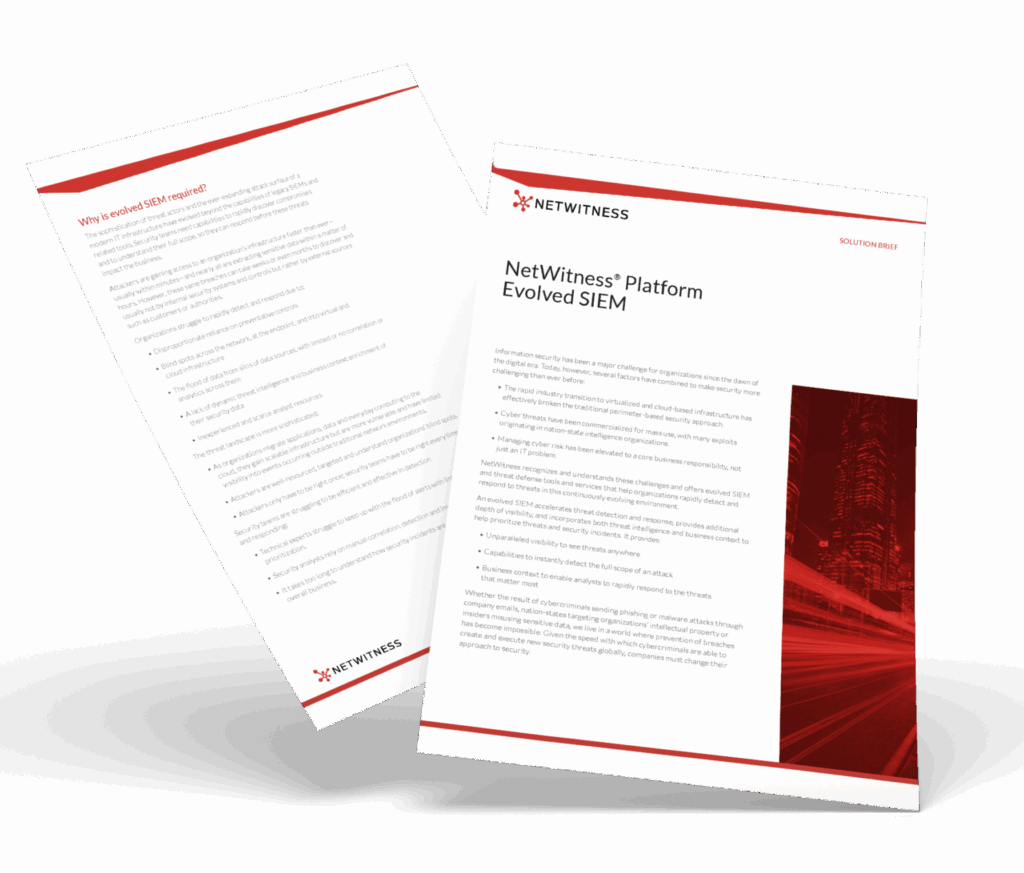
Elevate Threat Detection and Response with NetWitness® SIEM

-Correlate data across users, logs, and network for unified visibility.

-Detect advanced threats with AI-driven analytics and behavioral insights.

-Accelerate investigations using automated enrichment and guided workflows.


Lead Magnet Mockup

Key Trends Shaping Cloud SIEM for Hybrid Security 

  • Convergence with XDR: SIEMs are integrating with endpoint and network detection tools for extended detection and response. 
  • AI-Driven Detection and Investigation: Machine learning models are now core to detecting anomalies across hybrid workloads. 
  • Decoupled Storage and Compute: This allows cost-effective long-term data retention with flexible, on-demand processing. 
  • Open Integration Ecosystems: Closed proprietary SIEMs are giving way to open, API-driven architectures that connect easily with diverse tools. 
  • Privacy-Preserving Analytics: Techniques like federated learning enable cross-domain detection without violating data residency rules. 


Choosing the Right Cloud SIEM Security for the Hybrid World 

If you’re evaluating cloud SIEM security solutions, ask: 

  • Does it integrate natively with your cloud providers and SaaS apps? 
  • Can it handle ingestion spikes without spiraling costs? 
  • Does it unify analytics across cloud and on-prem data? 
  • Can it orchestrate responses across your entire environment? 
  • Does it support open APIs to connect with your security stack? 
 

Why SIEM NetWitness Excels in Hybrid Cloud Security 

Here’s the thing. Hybrid infrastructure isn’t going away. Security teams need visibility and detection to keep up. That’s where SIEM NetWitness makes a difference. 

NetWitness SIEM lets you monitor logs from one place, no matter where they come from – on-prem, virtual, hybrid, or public cloud sources. Its pervasive log visibility helps your team administer and analyze data across distributed and virtual environments, enabling faster detection and response. 

In a world where your digital landscape keeps expanding, NetWitness ensures your cloud SIEM security keeps up. 

Frequently Asked Questions

1. What is cloud SIEM security?

A cloud SIEM is a Security Information and Event Management solution hosted in the cloud. It collects and analyses security data from on-prem, cloud, and hybrid environments to detect threats in real time.

2. How does cloud SIEM support hybrid infrastructures?

Cloud SIEMs work with on-prem systems, public clouds, private clouds, and SaaS platforms. They give you a clear view and scalable analytics for your whole digital environment.

3. Why are traditional SIEMs insufficient for hybrid security?

Traditional SIEMs have trouble scaling, integrating with the cloud, and analyzing large data volumes. This can create blind spots and slow down threat detection.

4. What makes NetWitness SIEM effective for hybrid security?

NetWitness SIEM provides clear log visibility and centralized monitoring. It allows you to deploy collection components on-site, virtually, or fully in the cloud. This setup helps with quick detection and response.

5. What are the key benefits of using a cloud-native SIEM?

Cloud-native SIEMs provide elastic scalability, advanced analytics, automated threat response, and easier compliance reporting across hybrid infrastructures.

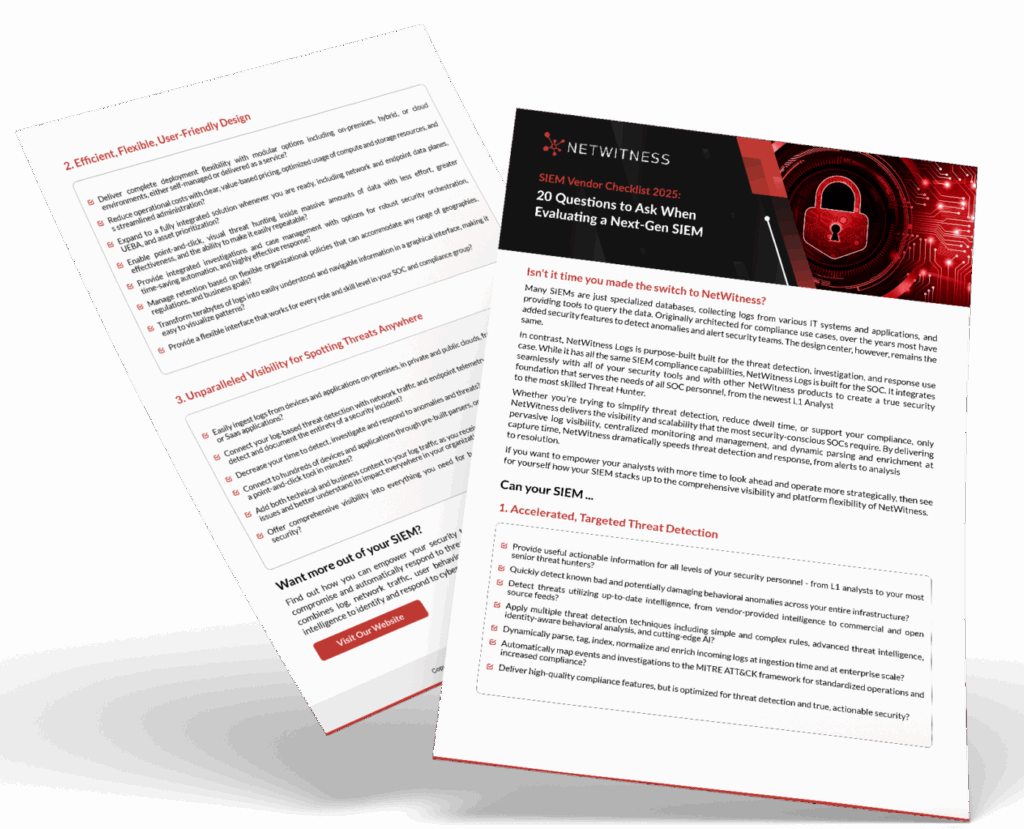
Choose the Right SIEM with Confidence

-Evaluate vendors using a comprehensive, expert-built checklist.
-Identify must-have SIEM features for complete visibility and faster detection.
-Compare capabilities to ensure scalability, automation, and integration.
-Make informed decisions with NetWitness’ proven SIEM guidance.
Vendor Checklist

About Author

Picture of Surabhi Arora

Surabhi Arora

Related Resources

Accelerate Your Threat Detection and Response Today!