Digital Forensics and Incident Response Guide

7 minutes read
Overview Icon

What is digital forensics and incident response (DFIR)?

DFIR combines two disciplines that work better together than apart. 

Digital forensics examines system data, user activity, and digital evidence to determine if an attack is happening and who’s behind it. Think of it as detective work for the digital age, investigating crime scenes that exist across hard drives, memory dumps, and network traffic. The importance of digital forensics lies in its ability to uncover how, when, and why an attack occurred, turning raw evidence into actionable insight.  

Incident response is the process organizations follow to prepare for, detect, contain, and recover from data breaches. It’s about managing the chaos of security incidents with structure and speed. 

Here’s the key insight: these disciplines feed each other. Forensics provides the evidence response teams need to make decisions. A good incident response process preserves the forensic evidence that reveals what attackers did. Treating them separately creates gaps that cost you. 


When Your Systems Get Breached 

When your systems get breached, every second counts. Those first hours decide whether you contain damage or watch things spiral. Digital forensics and incident response (DFIR) is no longer optional. It’s the core of your defense strategy when attacks hit. 


Why Organizations Need Digital Forensics and Incident Response?  

The threat landscape has changed. More endpoints. More cloud. More remote work. All of it widens the attack surface. 

Cyberattacks are more frequent and more advanced, making incident response digital forensics a central capability for modern security programs. Today, businesses rely on digital forensics and incident response to stay resilient and respond faster. 

DFIR used to be reactive. You used it only after an attack. Now, APT toolkits, malware growth, and AI-driven threats have shifted that mindset. Organizations use DFIR insights to guide preventative measures and build proactive defense. 

Key benefits of DFIR 

  • Reduce attacker dwell time. 
  • Minimize data loss, theft, and reputational damage. 
  • Strengthen security protocols with deeper insight into risks and attacker behavior. 

 The digital forensics and incident response solutions market is expanding fast. In 2025, the global Digital Forensics Market reached $12.94 billion. Forecasts show it climbing to $22.81 billion by 2030, driven by escalating cyberattacks, cloud adoption, and the rising importance of digital forensics in incident response. This surge reflects a strong 12% CAGR, highlighting how essential incident response digital forensics capabilities have become for modern enterprises. 

Why DFIR Matter 

Why DFIR Matters 

How Digital Forensics Powers Incident Response? 

Digital forensics gives your Incident Response team (CERT / CSIRT) the evidence needed to respond with speed and accuracy. It’s the backbone of digital forensics and incident response solutions. 

Core Forensic Disciplines 

Network forensicsReviews packet-level activity to spot anomalies, command-and-control, and attacker movement. 

Memory forensics- Analyzes RAM for indicators that never touch disk. Many threats live only in memory. 

File system forensics- Examines file structures, unauthorized changes, and malicious artifacts across endpoints. 

Log analysis Connects events into a timeline that reveals patterns, intent, and scope. 

Beyond immediate response, forensics supports remediation, litigation, audits, and prevention. This lowers risk and speeds future responses. 

The Incident Response Lifecycle 

Most teams follow six structured phases: 

1. Preparation

Build your foundation before an attack. 

  • Create playbooks for scenarios like ransomware. 
  • Define CSIRT roles. 
  • Set up secure communications, forensic workstations, monitoring tools, and behavioral baselines. 

2. Identification

Detect and confirm incidents. SIEM alerts, NDR, threat hunting, user reports, or threat intel may trigger this phase. The goal is to separate real threats from noise and understand the attack vector.

3. Containment

Stop the spread without tipping off the attacker. 

  • Use short-term containment (network segmentation, isolation). 
  • Plan long-term containment (system rebuilds). 
  • Collect volatile and nonvolatile evidence before cleaning systems. 

4. Eradication

Remove malware, patch vulnerabilities, reset credentials, and harden systems. Complete forensics is essential, miss one backdoor and attackers return. 

5. Recovery

Restore operations from clean backups. 

 Validate systems, monitor for reinfection, and bring services online carefully. Balance business pressure with the need for safety. 

6. Lessons Learned

Run postmortems. Document what happened. Improve processes. Teams that skip this phase repeat the same mistakes. 
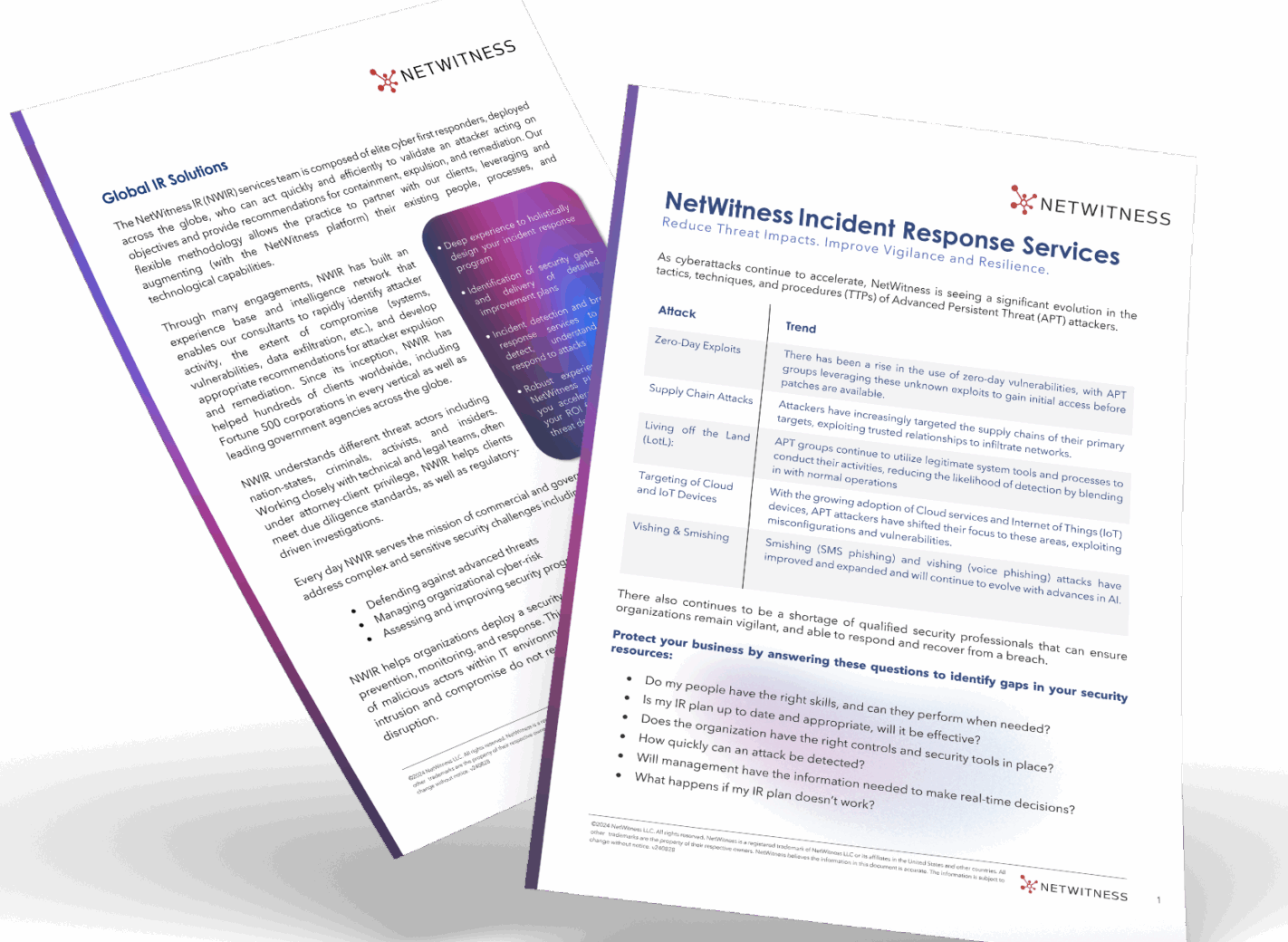
Rapid, Expert Response with NetWitness® Incident Response Services

-Accelerate threat containment with experienced IR specialists.

-Investigate effectively using advanced forensics and analytics.

-Minimize business impact with fast, guided remediation.

Lead Magnet Mockup IR

Why Integrating Digital Forensics and Incident Response Matters?

An integrated DFIR approach offers measurable benefits: 

  • Faster response with consistent investigation processes. 
  • Less data loss and reputational harm. 
  • Stronger security protocols grounded in real evidence. 
  • Quicker recovery with minimal downtime. 
  • Reliable evidence collection for litigation or law enforcement. 

This is where the importance of digital forensics in incident response becomes clear. You can’t respond effectively without accurate forensic insight. 


How to Develop an Effective DFIR Strategy? 

Many organizations lack in-house skills to develop effective DFIR plans. To close that gap, many incident response companies offer DFIR expertise, playbook development, and retainer-based services that accelerate investigations and reduce recovery time. If they have dedicated teams, those teams are often overwhelmed by false positives from automated detection systems or too busy with existing tasks to keep up with evolving threats. 

Start by streamlining your DFIR process: 

  • Assess current readiness. 
  • Build standard operating procedure playbooks. 
  • Test them through red teaming and tabletop exercises. 

This builds confidence and reduces decision paralysis during real incidents. 


Trends Shaping the Future of DFIR 

  • Threat hunting actively searches for hidden threats. 
  • Compromise assessments reveal attackers already inside the network. 
  • SOAR-driven automation accelerates evidence of collection and containment. 
  • Machine learning improves anomaly detection. 

Technology helps, but human judgment still decides what to do next. 


Conclusion 

Security incidents aren’t theoretical. They’re constant. What separates resilient organizations from those that suffer long-term damage is preparation and DFIR capability. 

This is about more than tools. It’s institutional knowledge. When an attack hits, your team knows exactly what to do. They preserve evidence, contain threats, understand what happened, and prevent it from happening again. 

A strong DFIR program elevates your entire security posture. You detect earlier, respond faster, and recover more completely. Partnering with NetWitness Incident Response gives you independent expertise, proven methodology, and rapid support when every second matters. 

Start where you are. Build step by step. Master the basics before adding advanced capabilities. When incidents happen (and they will), you’ll be ready. 


Frequently Asked Questions

1. What is the role of digital forensics in incident response?

It collects and analyzes evidence to determine scope and impact. This helps teams respond effectively and preserve data. 

AI-driven analysis, cloud and IoT forensics, automation, and proactive threat hunting. 

Forensics provides evidence. Incident response uses it to contain, remediate, and prevent future attacks. 

EnCase, FTK, Autopsy, Sleuth Kit, and Binalyze AIR for endpoint, memory, and network analysis. 

Platforms like NetWitness help teams streamline investigations and automate responses. 

Frameworks like NIST follow six stages: preparation, detection, containment, eradication, recovery, and lessons learned. 

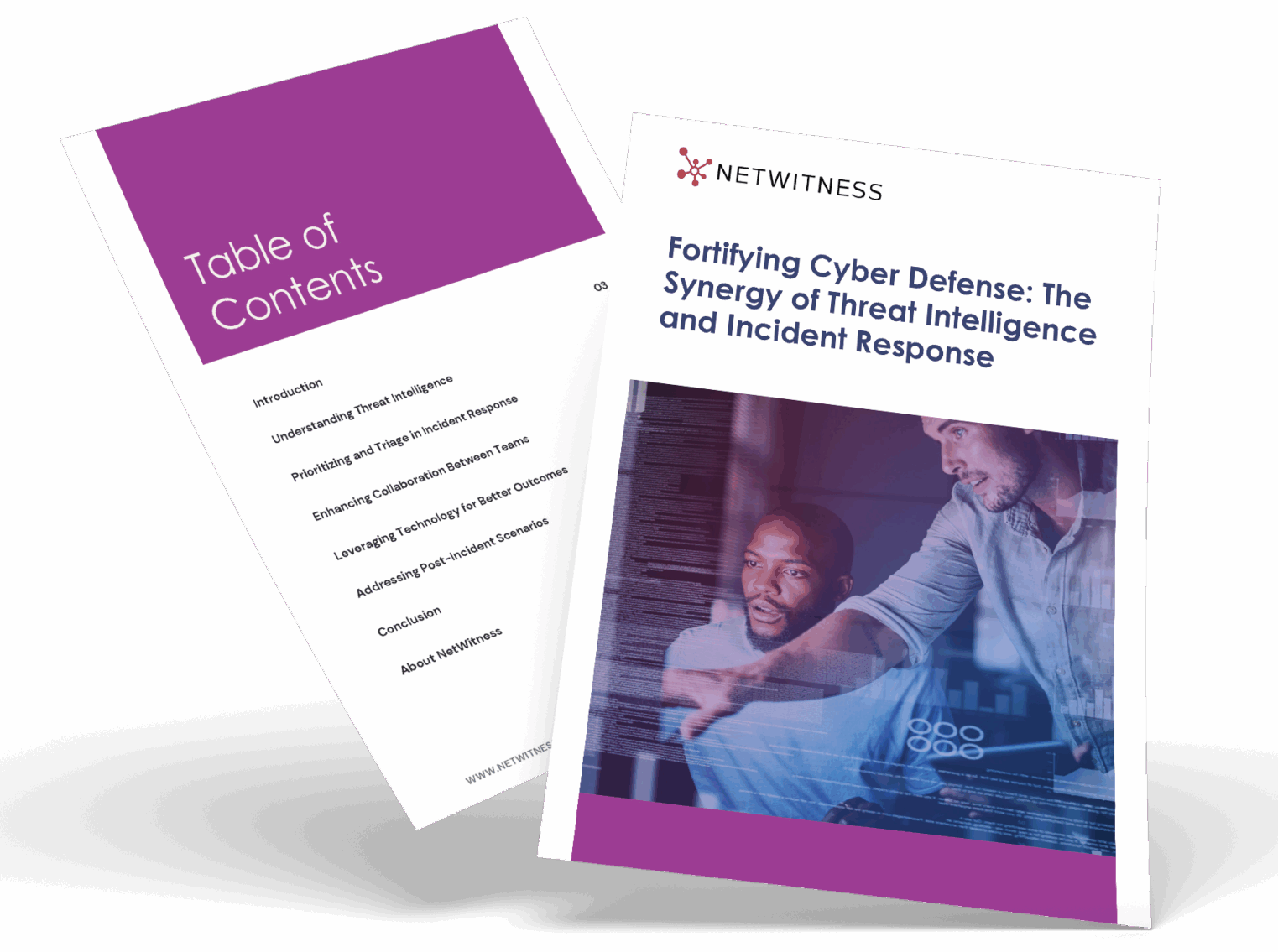
Unified Defense Through Threat Intelligence and Incident Response

-Strengthen your cyber resilience with integrated intelligence and response.
-Detect, analyze, and mitigate threats faster with real-time insights.
-Transform reactive response into proactive defense.
-Leverage actionable threat intelligence to outpace evolving adversaries.

Lead Magnet Mockup IR

About Author

Picture of Anusha Chaturvedi

Anusha Chaturvedi

Anusha Chaturvedi is a tech-focused content writer with a strong background in branding and communication. With experience across BFSI and cybersecurity, she creates informative, insight-driven narratives grounded in research. Her academic roots in mass communication, advertising, and marketing shape both her analytical and creative approach.

Related Resources

Accelerate Your Threat Detection and Response Today!