What Is Security Operations Optimization in Cybersecurity?
Security optimization is the process of improving how security teams, technologies, and workflows work together to reduce cyber risk. It focuses on strengthening threat detection, automating incident response, improving analyst efficiency, and continuously refining security processes. Effective security system optimization combines security monitoring, analytics, automation, and network optimization for security to build resilient and scalable cybersecurity operations.
Introduction
As cyber threats continue to grow in sophistication, organizations need more than isolated security tools to stay protected. Effective security optimization requires integrating people, processes, and technologies into a unified approach that strengthens detection, investigation, and response. A proactive security operations strategy enables organizations to optimize cyber operations, improve visibility, automate repetitive tasks, and achieve continuous cybersecurity optimization across hybrid and cloud environments.
What Are Security Operations?
Modern security operations depend on continuous monitoring, threat intelligence, automation, and rapid response. A successful security operations strategy aligns security and IT teams to improve visibility, streamline investigations, and accelerate remediation. Continuous cybersecurity optimization ensures that security operations evolve alongside changing threats and business requirements.
This alignment is critical for delivering effective cybersecurity services and maintaining continuous protection across enterprise environments. By combining people, processes, and cybersecurity technologies, SecOps teams improve visibility, accelerate response, and strengthen overall security posture. Security operations are not one-time initiatives. They rely on continuous monitoring, assessment, and optimization.
These activities are typically managed through a Security Operations Center (SOC), supported by integrated cybersecurity tools and platforms rather than a single physical location.
What Happens in a Security Operations Center?
SOC team members are responsible for several tasks. Cyber attacks can be damaging in a matter of minutes or even seconds. So, SOC team members have a tremendous amount of responsibility.
A few duties of a SOC team member include the following:
- Monitoring: SOC teams proactively monitor an organization’s systems to protect against unknown weaknesses in the network services. They analyze routers, firewalls, and other network resources with the help of other IT workers to stop cyberattacks before they happen.
- Incident Response and Recovery: If cyberattacks occur, it is a SOC team member’s responsibility to make sure that the organization is prepared to respond. They ensure that the proper procedures are taken, and they make necessary adjustments to minimize the impact of a cyberattack.
- Compliance: One of the many responsibilities of the security operations center is to ensure that organizations are in compliance with security standards.
Beyond daily monitoring and incident response, modern SOCs focus on security optimization by reducing manual workloads through automation, improving analyst productivity, and integrating intelligence from multiple security platforms. This approach helps enterprises optimize cyber operations while maintaining faster detection and response across increasingly complex environments.
What Is the Purpose of Security Operations?
The primary goal of SecOps is to defend and improve the strength of an organization’s network. With numerous people working from the same network, the risk of security vulnerabilities increases.
Security operations focuses on creating an environment where security teams and IT can collaborate and develop similar goals. There are five vital functions of every security operations team.
1. Security Monitoring:
This function involves monitoring the activities across the organization’s network. Monitoring includes more than keeping an eye out for security threats. It also involves ensuring that all environments of the company’s infrastructure remain secure.
2. Threat Intelligence:
The SOC gathers information about potential threats and works to build systems to combat these threats. Threat intelligence procedure helps the security operating teams gather, organize, and integrate cybersecurity tools that will better defend against threats.
3. Triage and Investigation:
The triage and investigation function of the SOC is analyzing and investigating security-related threats. They use prepared analysis packages to automate threat detection, investigation, and response. By using an automated process, the security operations team is better at detecting and addressing new threats.
4. Incident Response:
One of the largest responsibilities of the security operations team is to create and implement a plan detailing their organization’s procedure for responding to cyber threats. This is an important function as communication across the organization makes it easier to prepare for and respond to these incidents. Being able to control and contain security threats signifies a strong security operations center.
5. Forensics and Root Cause Analysis:
Forensics and root cause analysis are critical components of optimized security operations. Through cybersecurity forensics, SOC teams collect evidence, reconstruct attack paths, and identify how threats entered the environment. This insight helps prevent repeat incidents and strengthens long-term security posture.
What Are the Benefits of Security Operations?
Organizations that invest in security optimization gain stronger protection against evolving cyber threats while improving operational efficiency. A mature security operations strategy combines automation, analytics, and continuous monitoring to reduce risk, improve visibility, and support long-term cybersecurity optimization across the enterprise.
- Earlier threat identification: Early threat identification gives businesses a chance to get ahead of the problem. Being able to intervene as soon as a threat is identified protects valuable data and protects the client’s and business’s interests.
- Reduced risk of breaches: Data breaches can expose the personal information of clients, staff, and other personnel who are part of a network. It can expose them to identity theft and other dangerous scandals. Security operations teams protect this information from being released.
- Increased incident response times: Continuous surveillance means when a threat is identified, it can be handled in a way that minimizes the impact.
- Reduced security issues and disruptions: Security issues and business disruptions can result in expensive delays for business owners. Successful risk operations mitigate these issues by remaining vigilant and ensuring that costly disruptions are not a common occurrence.
What Makes Cyber Threats So Dangerous?
Cyber threats are dangerous because they can lead to several misfortunes for their victims. These threats can turn into attacks that affect different parts of a person’s life. If a person is not adequately educated, protected, and defended against these threats, their financial, personal, and medical information can be stolen.
Here is a more in-depth description of the risks associated with cyber threats and attacks.
1. Financial Loss:
For both individuals and corporations, cyberattacks can cause significant financial damage. If stolen, financial information can be used for fraudulent transactions. By the time some cyber attacks are caught, the victims could have already had tremendous losses.
Organizations also face lost revenue from cyber attacks. Clients who want to be cautious often leave to go somewhere they will feel more protected when they hear about cyber attacks. It is also common for attackers to attempt to extort their victims by demanding ransom payments.
2. Damaged Business Reputation:
Cyber threats can cause significant damage to an organization’s reputation. Leaks of sensitive information can result in mistrust from customers and the public. Current customers may find a new company to work with, and potential customers might think twice about bringing in their business.
This negative reputation can take a long time to repair and have lasting effects on an organization.
3. Loss of Intellectual Property:
Cyber threats pose a serious threat to an organization’s intellectual property (IP). Things such as research and development data and trade secrets are vulnerable when faced with a cyber-attack. This is just another way that a company’s financial status is affected by cyber threats.
Be Aware of These Cyber Threats
There are a few cyber threats that every individual and organization should be aware of. These cyber threats are the most common ways hackers target and take advantage of sensitive information.
1. Malware:
Malicious software, or malware, is a program or code that is intended to do harm to a computer. This is the most common type of cyber threat because there are several types of malware. The following types of malware may sound familiar.
- Ransomware
- Spyware
- Trojan
- Viruses
Using these cyber attacks, computers are infected with software that can do anything from collecting personal information to infecting the entire device. If one device on a company’s network is affected by malware, there is a chance that this software could do more damage if not addressed promptly.
Businesses affected by malware may experience delays in their operations as they might have to replace their network, face potential lawsuits, and alert customers and clients of this attack. This can significantly affect the company’s reputation and result in potential fines and compensation.
2. Phishing:
Phishing is another common cyber threat that uses various techniques to prompt victims into sharing personal information. Victims of this cyber threat are targeted through social media channels such as email, text messages, or social media. They are directed to click a link that will install a virus on their device.
Phishing attacks can severely damage an organization’s operations. These attacks are usually the first step that attackers use to install malicious software that can cause system-wide outages and delays.
3. Denial of Service Attack:
A denial of service (DoS) attack is a cyberattack that intends to shut down a machine or network, making it inaccessible to users. It floods the network with fake requests that make it impossible to complete routine tasks. When a network faces a denial of service attack, simple but necessary tasks such as accessing email and visiting websites are unfeasible.
Although denial-of-service attacks do not usually result in a loss of data, they are very inconvenient. Not only do they cost the organization time, but they also cause a loss of profit in the time it takes to resolve the problem.
4. Spoofing:
A spoofing attack occurs when a cyber attacker pretends to be a known or trusted source. By doing this, they can gain access to systems, steal data or money, and spread malware.
Spoofing has the potential to result in financial crimes, which makes this cyberattack especially dangerous for corporations. Financial crimes may include anything from the stealing of credit card information to money laundering. Internet users must be aware of these cyber attacks as they can have lasting effects on financial status.
How to Optimize Security Operations
Investing in new ways to optimize security operations can garner several benefits for corporations. Protecting assets, client and customer information, and the network is of the utmost importance for any corporation. Implementing security operations can reap many benefits, such as a lessened chance of financial attack and improved overall protection.
Here are a few tips to assist in optimizing security operations for your organization.
1. Building Credible Workflows:
Behind every successful SecOps team is a powerful workflow that allows little error. Security operations require credible and reputable workflows to provide maximum protection. Threats to web security occur within various capacities. Therefore, the security operations team must address all parts of the organization’s needs.
Designing an effective workflow requires knowledge and understanding of the organization’s goals. Here are some suggestions for designing workflows.
- Implementation of time-tracking tools.
- Process mapping
- Implementation of reporting features
2. Implementing Automation:
With many working pieces, it can be challenging to keep track of every part of the puzzle. This is where automation comes in. Automating simplifies the work of the security operations team and allows them to focus on more detailed tasks.
Automation can be used to handle tasks that are simple and repetitive. Through the use of third-party programming, automation can be used to manage IT Operations and limit the focus on routine tasks.
3. Address Security at Every Level:
One of the most significant leaps toward optimizing security operations is being able to address security threats at every level. Looking for and addressing security concerns at the most minor level can be beneficial in minimizing the impact of security threats.
Security threats occur at every level of the delivery pipeline. Therefore, the security operations team must be able to focus on more than one threat at a time. Otherwise, there is an increased risk of problems that require later revisions and an escalated burden.
Optimizing Security Operations with a Unified Cybersecurity Platform from NetWitness
NetWitness is a cybersecurity services company that helps organizations optimize security operations through deep visibility, automation, and advanced analytics.
Its unified cybersecurity platform integrates detection, investigation, response, and cybersecurity forensics across networks, endpoints, and cloud environments. This approach enables stronger cyber risk strategy execution and scalable protection using modern cybersecurity technologies.
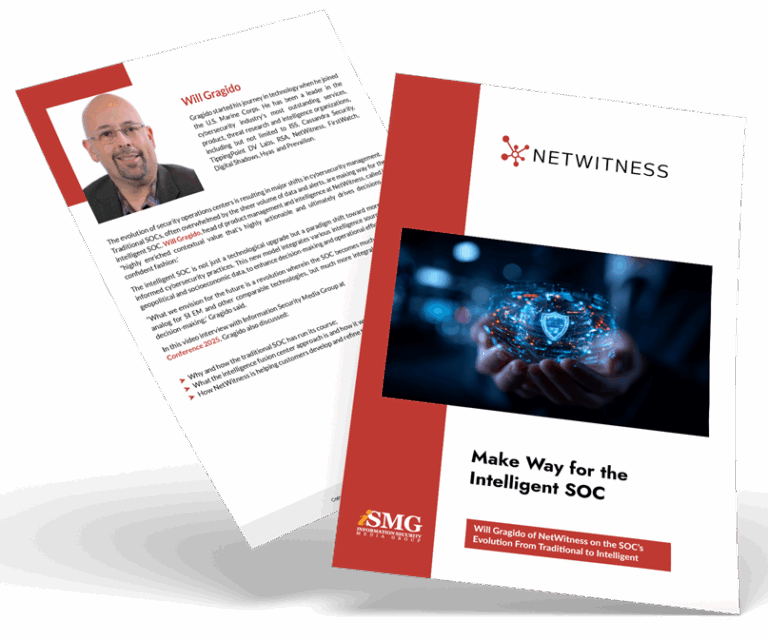
Make Way for the Intelligent SOC with NetWitness®
-Turn data overload into actionable intelligence.
-Accelerate detection with AI-driven insights.
-Empower analysts with enriched, contextual decision-making.
-Build a smarter, faster, more resilient SOC.
Frequently Asked Questions
1. What are the best practices for optimizing security operations centers?
The best approach to security optimization is to centralize visibility across networks, endpoints, cloud environments, and identities while automating repetitive tasks. Organizations should implement continuous threat monitoring, prioritize alerts based on risk, regularly tune detection rules, and invest in analyst training. A well-defined security operations strategy also improves collaboration, accelerates response times, and strengthens overall cybersecurity optimization.
2. How to automate incident response in security operations?
To optimize cyber operations, automate repetitive workflows such as alert enrichment, threat validation, ticket creation, and containment using orchestration tools. Integrating threat intelligence, SIEM, endpoint security, and identity platforms enables faster investigations and consistent responses. Automated security system optimization reduces manual effort, shortens response times, and allows SOC analysts to focus on high-priority threats.
3. What are Security operations optimization services for enterprises?
Security operations optimization services help enterprises improve detection accuracy, automate response, and enhance overall cybersecurity optimization. These services include SIEM tuning, threat hunting, incident response automation, workflow optimization, and continuous monitoring. Combined with network optimization for security, they increase operational efficiency, reduce risk, and create a scalable security operations strategy for growing organizations.
4. What are key metrics for measuring SOC efficiency?
Organizations should measure Mean Time to Detect (MTTD), Mean Time to Respond (MTTR), alert accuracy, false-positive rates, incident resolution time, and analyst workload. Tracking these metrics helps identify opportunities for security optimization and security system optimization. Regular performance reviews also support better resource allocation and continuous cybersecurity optimization across the security operations center.
5. What are the strategies for reducing alert fatigue in a security operations center?
Reducing alert fatigue requires improving detection quality through threat prioritization, behavioral analytics, automated alert correlation, and regular rule tuning. Integrating contextual threat intelligence helps eliminate low-value alerts while highlighting critical incidents. These practices optimize cyber operations, improve analyst productivity, and strengthen network optimization for security without compromising visibility or response effectiveness.