Introduction
No organization is ever completely safe from cyber threats. Attackers adapt faster than most defenses, and the difference between minor disruption and major damage often comes down to one thing: how strong your incident response management really is.
The companies that recover quickly aren’t always the ones with the biggest budgets, they are the ones that test, refine, and evolve their response processes as rigorously as their detection capabilities.
Here is how the best teams stay a few moves ahead of attackers through five essential checks.
Five Checks Every IR Team Should Run
Check 1: Threat Detection Coverage
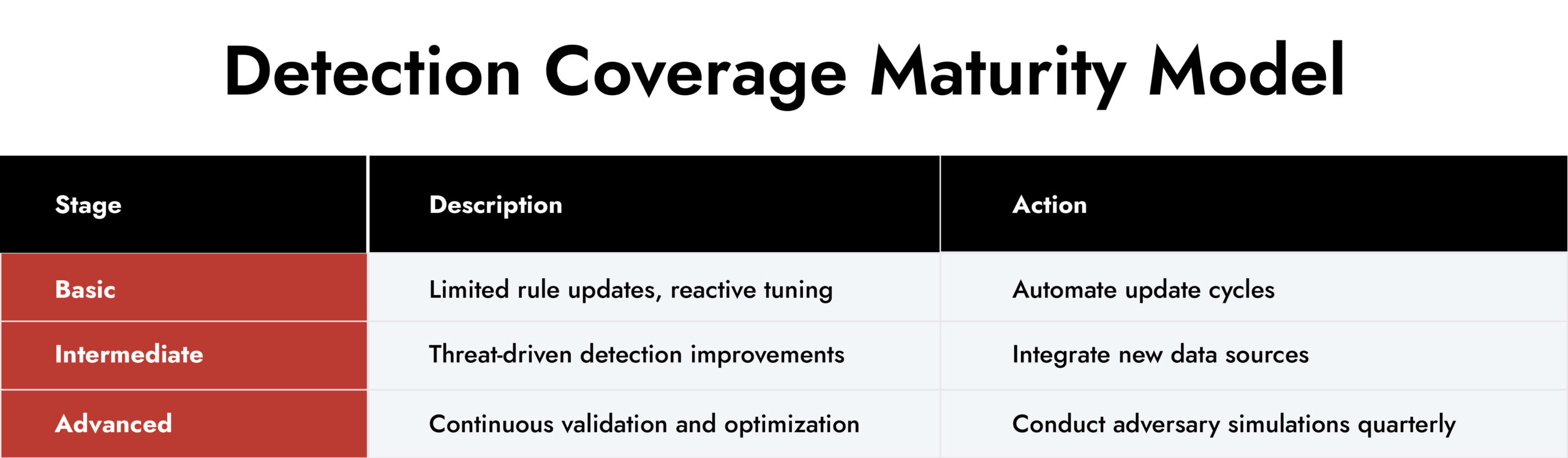
Visibility is the foundation of incident detection and response. You can’t respond to what you can’t see. Routine audits ensure that detection rules, log sources, and telemetry pipelines are current and actually working. Regular compromise assessments can be the best way to validate the effectiveness of these platforms and processes.
Start by actively hunting for anomalous behaviors as seen by your NDR, SIEM, and EDR platforms, validating your network and endpoint data sources, ensuring full coverage across on-premises, hybrid, and cloud environments. Then, map those detections against frameworks like MITRE ATT&CK to find blind spots, missing data sources, or outdated rules.
Teams that consistently hunt attackers and tune detection coverage accordingly can identify anomalies before they escalate into breaches.
Quick actions:
- Conduct regular compromise assessments and detection validation exercises
- Map alerts and detections to MITRE ATT&CK tactics
- Update log sources, and rules, parsers based on findings and any gaps
- Review and decommission obsolete correlation rules
- Integrate threat intelligence to remain up-to-date on the latest APT’s
Check 2: Response Process Relevance
A well-defined security incident response process loses value if it’s outdated. Threat patterns evolve quickly – ransomware, phishing, and supply chain attacks do not look like they did a few years ago.
Regularly update your response processes to reflect new tactics, new stakeholders, and updated communication protocols. Each revision should include the latest:
- Threat landscape for your organization
- Mitigations to the latest attacker TTP’s
- Escalation paths are accurate and current
- Regulatory and legal steps are aligned with recent compliance changes
- External contact lists (partners, law enforcement, IR retainers) are verified
When incident response processes evolve alongside the threat landscape, incident response teams can act fast without improvising under stress.
Check 3: Team Readiness and Training
Even the best detection systems fail if the team behind them isn’t prepared. Routine, realistic training ensures your incident management response team can handle high-pressure incidents with coordination and confidence.
Tabletop exercises and Red Team – Controlled Attack and Response simulations expose gaps in communication, escalation, and containment strategies. They also reinforce muscle memory, so analysts know exactly what to do when alerts spike or an active breach occurs.
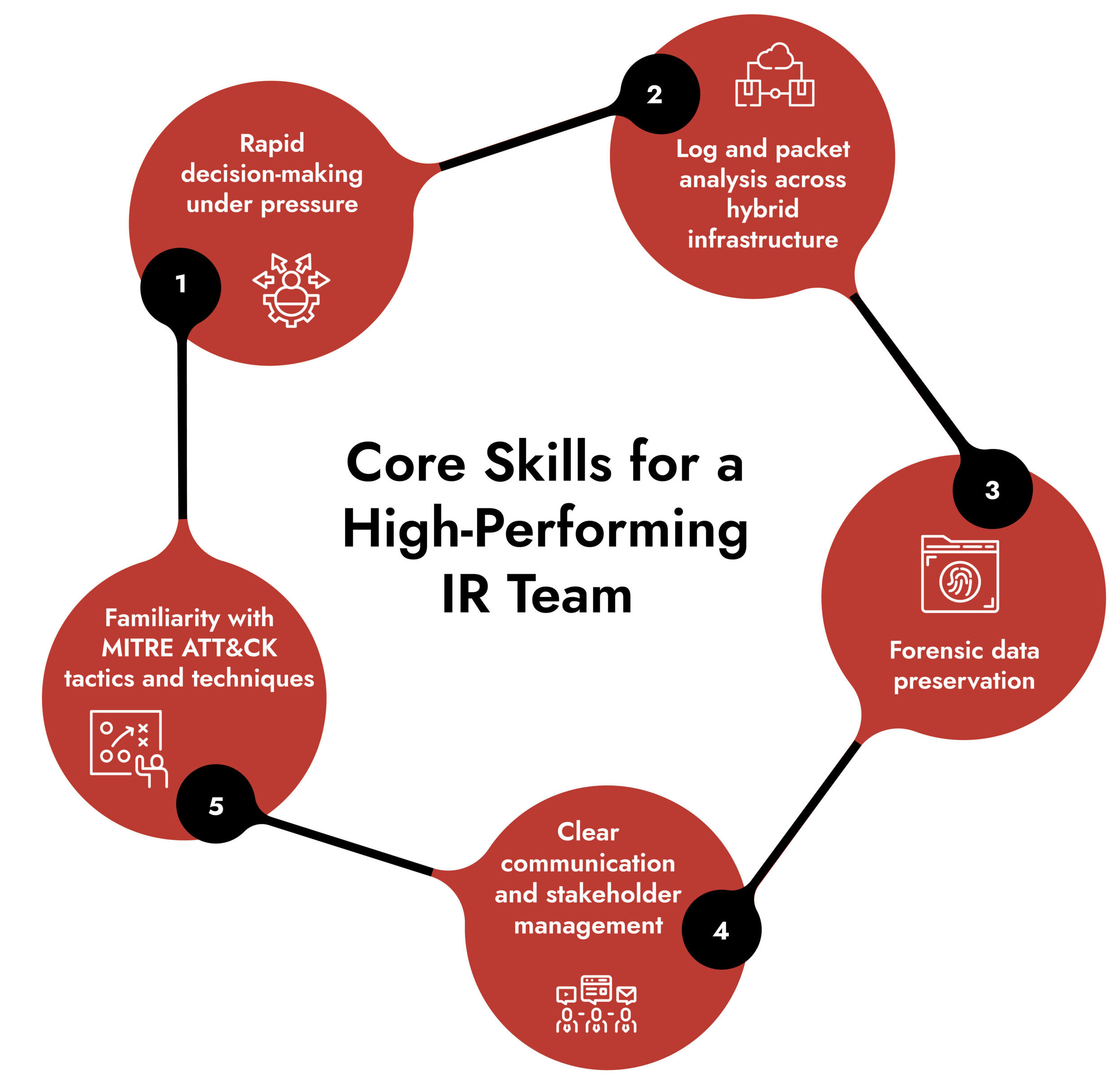
Practicing against real world attack scenarios is the best way to baseline and improve incident response program performance. Make training a habit, not an event. Continuous improvement is the only real guarantee of readiness.
Check 4: Containment and Recovery Speed
Fast detection means little without fast containment. Measuring and improving Mean Time to Detect (MTTD) and Mean Time to Respond (MTTR) helps determine how quickly your team can isolate and remediate threats.
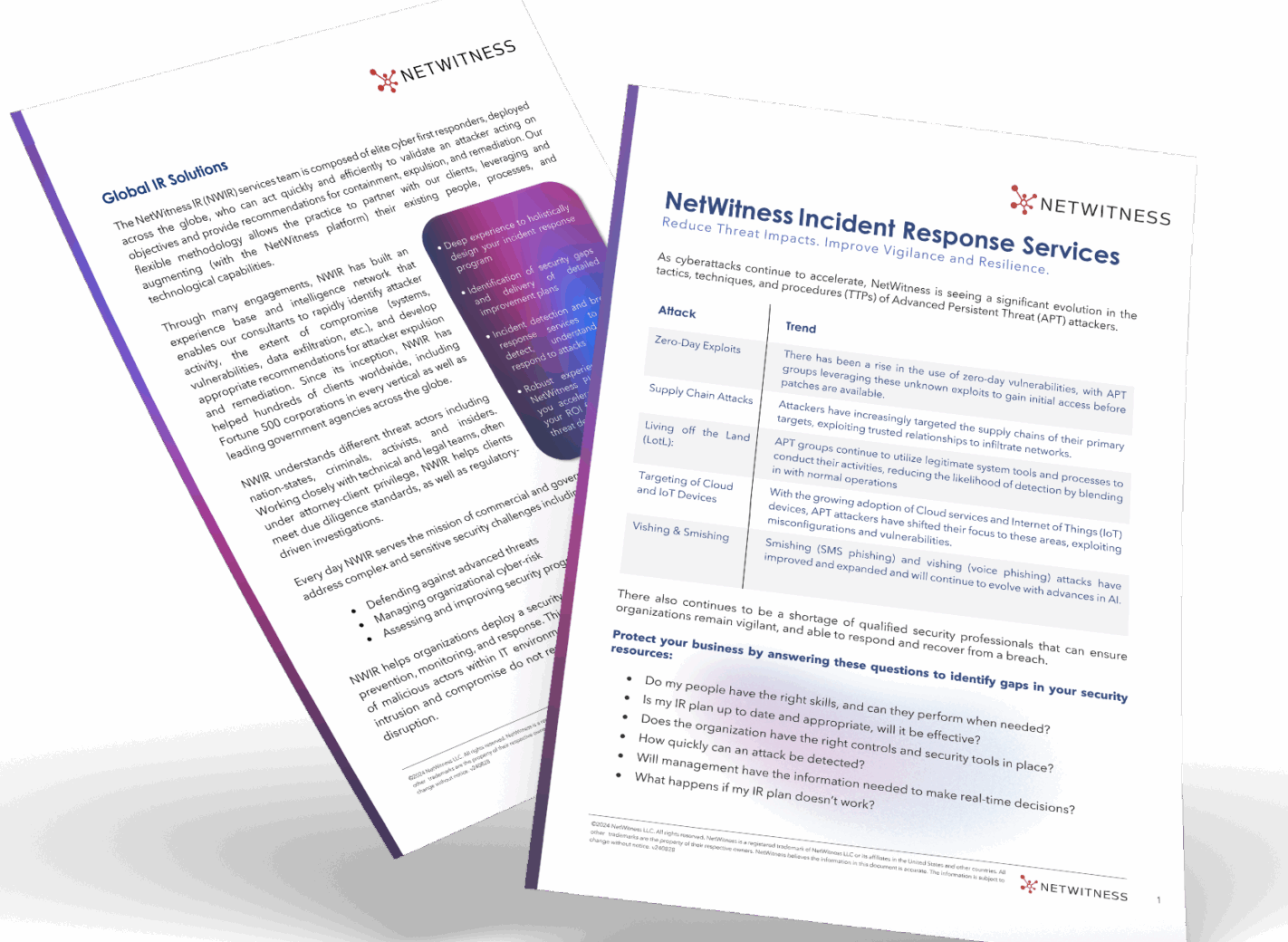
In many cases, organizations maintain an incident response retainer with a specialized incident response company. This ensures that when an attack happens, expert responders can step in immediately, bringing the experience and perspective needed to reduce downtime and data loss.
To stay ahead, make sure you have a trusted 3rd party on retainer so you can surge resources when time is of the essence and expertise can make the difference.
Check 5: Post-Incident Learning and Optimization
A strong cybersecurity incident management program closes the loop after every event. Post-incident reviews aren’t just about documenting what went wrong, they’re about identifying where improvements will have the biggest impact.
Each review should include:
- Missed indicators and response bottlenecks
- Incident response Process adherence and deviations
- Communication gaps during escalation
- Recommendations for new detections, controls, or automations
The goal is continuous refinement. Every alert, incident, or near-miss becomes an opportunity to strengthen your future response posture.