What is Cyber Security Monitoring?
Cyber Security Monitoring is the ongoing process of detecting, analyzing, and responding to security threats across an organization’s IT environment. It’s a cornerstone of cybersecurity, helping businesses identify vulnerabilities, prevent breaches, and maintain a strong defensive posture in real time.
Cyber Security Monitoring involves continuously tracking and analyzing network activity, system logs, and digital assets to detect unusual behavior or indicators of compromise. It uses cybersecurity monitoring tools and network security monitoring tools to collect and correlate data from across endpoints, servers, and cloud environments.
In practice, effective security monitoring means more than just identifying threats. It’s about understanding patterns, prioritizing alerts, and responding quickly. Organizations rely on cyber threat monitoring to maintain visibility across hybrid environments, detect advanced attacks, and minimize the potential impact of a breach.
Synonyms
- Cybersecurity
- Security Analysis
- Threat Monitoring
- Security Monitoring
- Cybersecurity Monitoring
- Digital Surveillance
Why Cyber Security Monitoring Matters
Without cyber security monitoring, most attacks go unnoticed until real damage is done. Threat actors often move silently across networks, exploiting gaps before detection systems react.
Key reasons why security monitoring is critical:
- Early Threat Detection: Identifies malicious activity before it escalates into a full-scale breach.
- Regulatory Compliance: Supports adherence to frameworks like NIST, ISO, and GDPR.
- Faster Response: Enables cyber security monitoring and response teams to act on verified alerts in real time.
- Data Protection: Safeguards sensitive business and customer information.
- Operational Continuity: Reduces downtime caused by cyber incidents or service disruptions.
Simply put, cyber security monitoring services create the visibility every organization needs to protect its operations from evolving threats.
How Cyber Security Monitoring Works
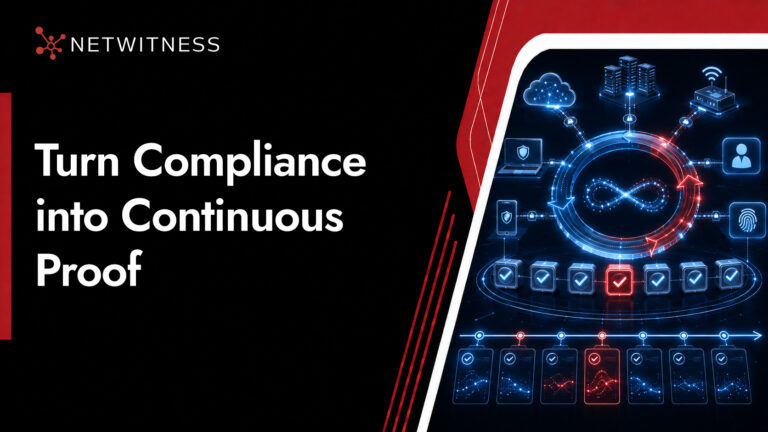
Cyber Security Monitoring is powered by continuous visibility, correlation, and automation.
Here’s how it typically functions:
- Data Collection: Logs and telemetry are gathered from firewalls, endpoints, servers, and cloud systems using network security tools or CSM tools.
- Threat Detection: Machine learning models and analytics engines identify anomalies, suspicious behaviors, or policy violations.
- Alert Correlation: Events are grouped to distinguish false positives from legitimate incidents.
- Incident Response: Security teams take immediate action to isolate affected assets or stop malicious activity.
- Reporting and Improvement: Results feed into compliance reports and ongoing security posture refinement.
This continuous feedback loop forms the backbone of cyber security threat monitoring and network security monitoring.
Cyber Security Monitoring Best Practices
To maximize effectiveness, organizations should follow these cyber security monitoring best practices:
- Centralize Data Visibility: Integrate all telemetry into a unified monitoring platform.
- Prioritize Real-Time Analysis: Use automation and AI-driven analytics for immediate threat detection.
- Adopt Continuous Monitoring: Move beyond periodic scans to persistent visibility across assets.
- Leverage Threat Intelligence: Combine internal monitoring with global threat feeds for proactive detection.
- Invest in Skilled Analysts: Tools matter, but expertise determines how effectively data is interpreted and acted upon.
When implemented well, these practices elevate cyber security monitoring and response from reactive defense to proactive threat anticipation.
NetWitness Connection
NetWitness offers advanced cyber security monitoring and response capabilities that help organizations detect, investigate, and respond to threats faster. Through intelligent analytics and complete visibility across endpoints, networks, and cloud environments, NetWitness empowers security teams to move from reactive defense to proactive threat hunting.
Learn how NetWitness can strengthen your organization’s cyber security monitoring strategy and safeguard critical operations.
Related Terms & Synonyms
- Cybersecurity: The overarching discipline focused on protecting systems and data from attacks.
- Security Analysis: The process of examining data and behaviors to identify vulnerabilities or threats.
- Threat Monitoring: Continuous observation of digital environments for indicators of compromise.
- Security Monitoring: The practice of tracking network and system activity to detect anomalies.
- Digital Surveillance: Broader monitoring of digital channels to protect organizational assets.
- Cybersecurity Monitoring: Another way of describing real-time networks and endpoint oversight to detect cyber threats.
People Also Ask
1. What is continuous monitoring?
Continuous monitoring is the practice of maintaining persistent visibility into all IT assets and security controls, allowing real-time detection and remediation of threats as they emerge.
2. What's the best solution for open-source security?
The best approach is a layered one – combining open-source cyber security monitoring tools like OSSEC or Wazuh with commercial solutions that offer analytics, automation, and threat intelligence integration.
3. What are the key considerations for network monitoring and management?
Key factors include scalability, data correlation, false-positive reduction, and integration with network security monitoring tools to ensure comprehensive coverage and fast detection.
4. Why does HTTPS technology add complexity to network security monitoring?
Cloud risk protection focuses on securing cloud-based environments from threats such as misconfiguration, data leaks, and unauthorized access.
5. What are the tools for monitoring?
Common cyber security monitoring tools include SIEM platforms, intrusion detection systems, Endpoint Detection and Response (EDR) solutions, and specialized network security tools for visibility and analytics.